
Decoding the coinage of Alexander the Great: A guide for numismatists
Mar
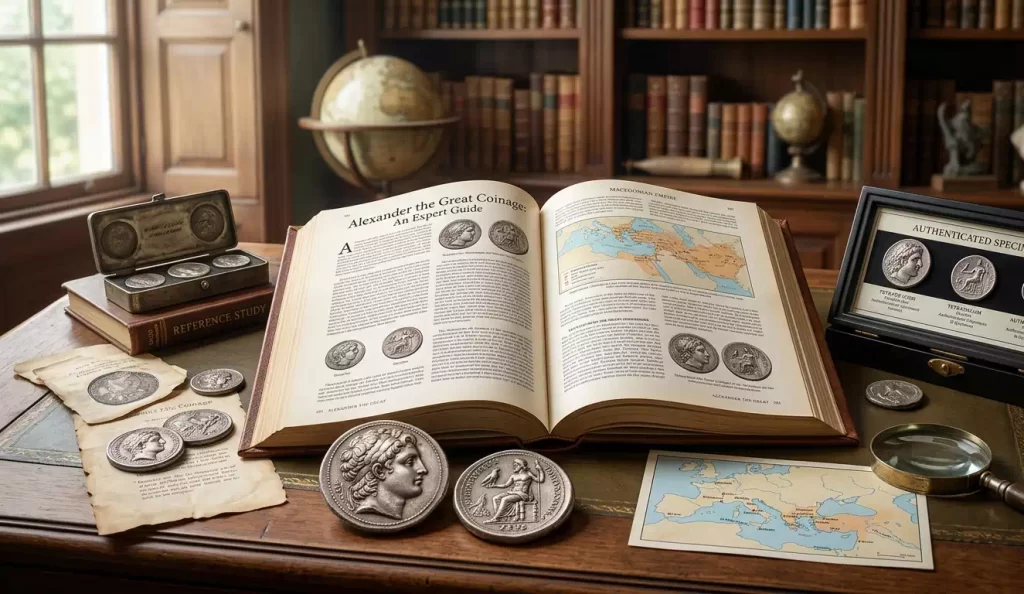
The coinage of Alexander the Great represents a pivotal moment in ancient history, marking the transition from fragmented city-state currencies to a standardized imperial economy. For collectors and history enthusiasts, these silver pieces are more than mere artifacts, they are tangible windows into the vast Macedonian Empire. This guide explores the historical significance, iconic imagery, and essential criteria for identifying authentic specimens of this legendary currency. Navigating the world of numismatics requires a keen eye for detail and an appreciation for the cultural shifts that defined the Hellenistic era.
Historical context and monetary innovation
The adoption of the Attic weight standard
The introduction of a unified Attic weight standard allowed for seamless trade across vast territories. By aligning his currency with the Athenian model, Alexander ensured high liquidity and trust, which are essential factors in ancient history. As discussed in a study of reference on the subject, this standardization facilitated the massive movement of resources required to maintain his expanding empire.
Unifying the imperial economy across regions
Alexander integrated diverse regional economies by establishing a consistent monetary system. This effort effectively bypassed the complexities of local exchange rates, creating a reliable medium of exchange for soldiers and merchants alike. Consult a specialist of ancient coins to better understand how these silver emissions stabilized the economy during the period of conquest.
Transitioning from local currencies to global trade
The shift from localized city-state issues to a centralized imperial economy fundamentally altered the Mediterranean landscape. By replacing disparate Greek coins with a singular aesthetic and weight, the administration fostered a sense of unity. This evolution in currency management remains a landmark achievement in the development of international trade.
Analyzing the iconic imagery and denominations
The significance of the Heracles obverse
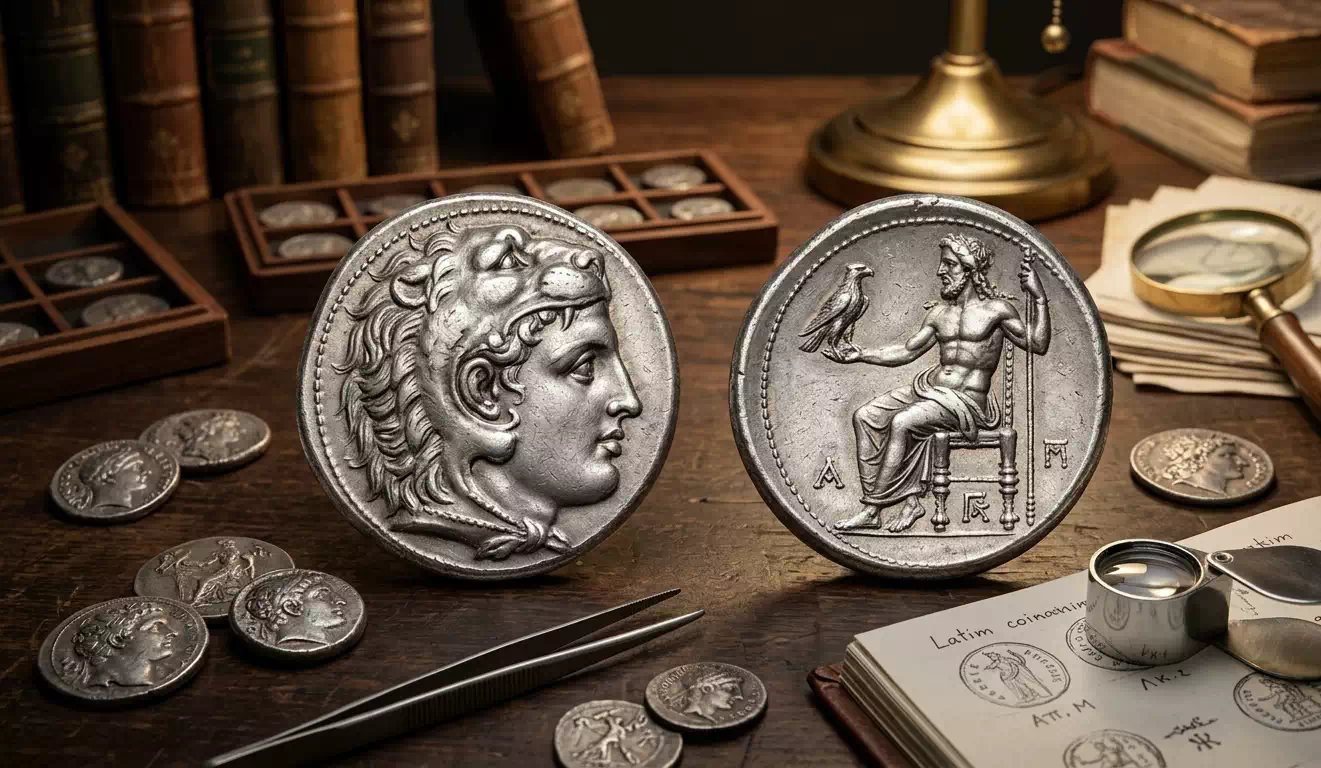
The obverse side of these coins typically depicts the young Heracles draped in a lion skin, a potent symbol of power and divine lineage. This imagery served as a visual propaganda tool, linking the ruler directly to the legendary hero. Collectors often focus on the artistic quality and the style of this portrait to determine the rarity of a specific strike.
Deciphering the seated Zeus on the reverse
The reverse commonly displays Zeus seated on a throne, holding an eagle and a scepter. This iconography, detailed in data published recently regarding historical monetary evolution, emphasizes the divine authority behind the coinage. The presence of these specific attributes often helps experts categorize the origin and period of the piece.
Understanding tetradrachms and drachms in circulation
The primary denominations circulating during this reign were the silver tetradrachm and the drachm. While the tetradrachm was the workhorse of high-value commerce, smaller denominations ensured liquidity for everyday transactions. The following table highlights the common characteristics of these pieces:
| Denomination | Typical Weight (grams) | Primary Usage |
|---|---|---|
| Tetradrachm | Approx. 17.2g | International trade and military payments |
| Drachm | Approx. 4.3g | Local commerce and daily expenses |
Identifying authenticity and assessing value
Key indicators of genuine ancient craftsmanship
Verifying the authenticity of such an artifact involves examining the metal purity and the strike quality. Genuine specimens display a specific flow of metal and natural aging that modern techniques struggle to replicate perfectly. Collectors should scrutinize the edges for tell-tale signs of casting or artificial aging processes.
Evaluating mint marks and geographical origins
The mint marks found on these coins provide critical information regarding their place of origin. Throughout the empire, numerous workshops produced currency, each leaving unique symbols. Key elements for identification include:
- Small monograms near the feet of Zeus.
- Unique symbols like dolphins, torches, or anchors.
- Variations in the artistic rendering of the lion skin.
- Specific regional letterings or abbreviations.
Recognizing common forgeries and modern reproductions
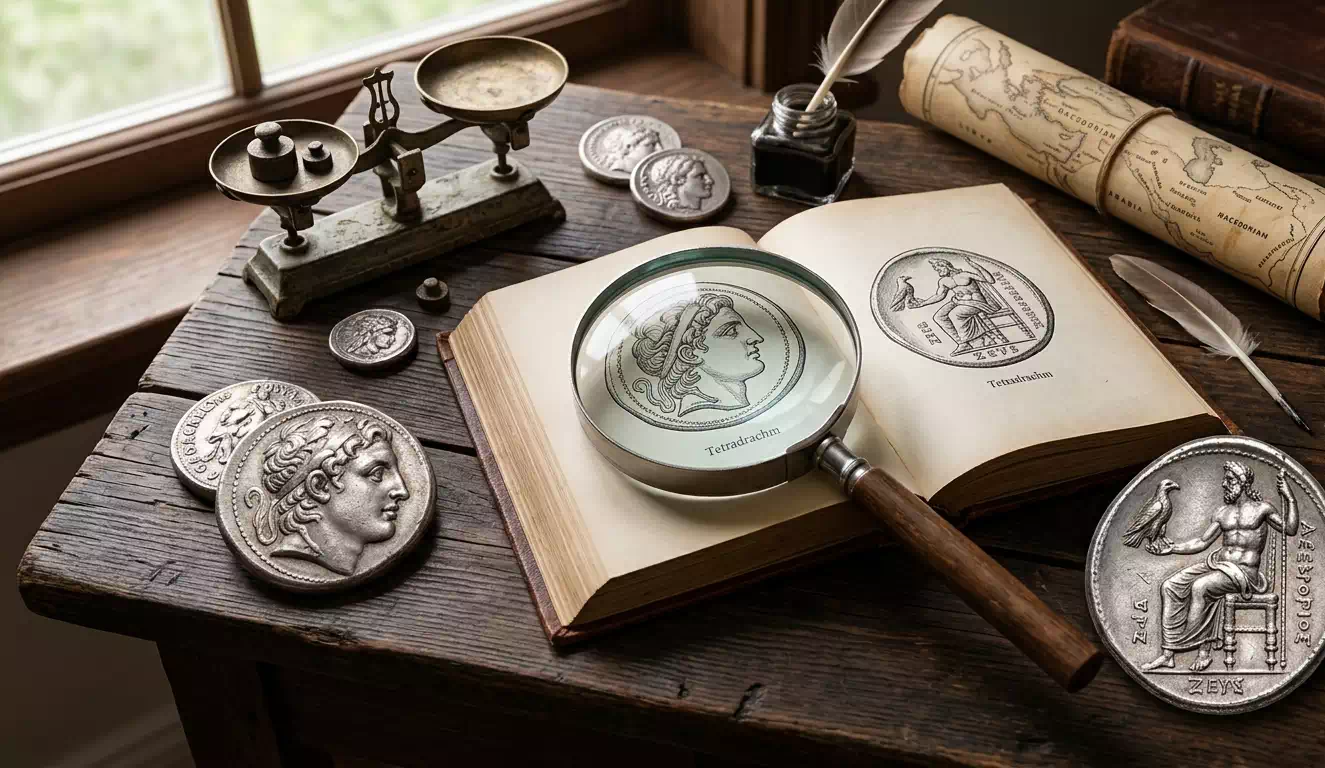
The market unfortunately contains counterfeit pieces designed to deceive novice collectors. Studying a guide to a comprehensive collection helps in recognizing the lack of detail in replicated dies. Always prioritize items with well-documented history to minimize risks.
Preserving the legacy of Alexander’s silver
The impact of provenance on historical significance
Establishing a clear provenance significantly enhances both the historical value and the market appeal of a coin. Knowing the ownership history allows numismatists to trace the journey of an item from an ancient hoard to a modern display cabinet. This transparency is essential for the long-term preservation of the object.
Interpreting surface patina and metal preservation
A natural patina is a hallmark of an authentic piece that has survived the centuries in soil or water. This layer of oxidation protects the underlying silver and provides unique character to the item. Proper preservation involves avoiding harsh cleaning chemicals that can strip away this protective and aesthetic layer.
Best practices for building a numismatic collection
Building a serious collection requires patience and focus. Whether specializing in specific mints or focusing on high-quality portraits, strategic acquisition is key. Consider these steps for sustainable growth:
- Research historical auction records to understand market trends.
- Prioritize items with high-grade visual appeal.
- Consult with experts to ensure the legitimacy of the purchase.
- Invest in archival-quality storage materials for long-term safety.
Building your collection of Alexander the Great coins
Embarking on the acquisition of Alexander coinage is a rewarding journey into the heart of the Hellenistic world. By focusing on quality, provenance, and historical context, one can curate a meaningful set of artifacts. Each coin serves as a testament to an era that redefined the ancient world through its economy and art.
Frequently asked questions about Macedonian coinage
What are the most common mint marks found on Alexander coins?
Common mintmarks include various monograms, letters, and symbols such as dolphins, tripods, or cornucopias. These marks indicate the specific workshop where the coin was struck. They are essential for identifying the geographic origin of the currency.
How can I distinguish between lifetime issues and posthumous strikes?
Lifetime issues are those struck during the reign of Alexander, while posthumous strikes continued for decades after his death. Numismatists distinguish them by analyzing specific stylistic markers, changes in portraiture, and the evolution of the throne design. Experts often utilize die studies to confirm the chronological placement.
Why is the Attic weight standard important for valuation?
The Attic weight standard provided the consistency required for international trust in the currency. Pieces that maintain this specific weight are considered more desirable, as they reflect the official monetary standards of the era. Significant deviations in weight can sometimes indicate either a forgery or a later, less regulated strike.
What should I look for when verifying the authenticity of a tetradrachm?
When verifying a tetradrachm, examine the strike quality, the metal’s surface characteristics, and the style of the portrait. Authentic pieces exhibit a natural flow of metal and a distinct strike that is difficult to forge. Always seek expert appraisal if you have any doubts regarding the legitimacy of the piece.
Does the condition of the portrait significantly influence the market price?
Yes, the state of the portrait is a primary factor in determining the value of the coin. High-relief features that are well-preserved and clearly defined command a premium among collectors. A sharp, well-centered strike significantly enhances the visual and historical appeal of the artifact.
Further reading :
- https://archaeology.brown.edu/native-publications/dating-coinage-alexander-great
- https://www.britannica.com/money/coin/From-the-Persian-Wars-to-Alexander-the-Great-490-336-bc
- https://www.youtube.com/watch?v=C5zF1xRxKAI


ClassicWorldCoins was created by a passionate collector with a deep interest in ancient coins and their stories. Through this blog, he shares his discoveries, insights, and favorite pieces to help others explore the fascinating world of numismatics.