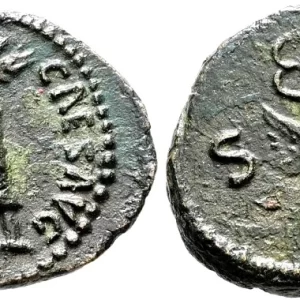
Roman imperial coins: coins of the Roman Emperors
Roman Imperial coins allow collectors and investors to
acquire authentic artifacts from one of the most powerful empires in history. Issued from the reign of Augustus in 27 BCE until the fall of the Western Roman Empire in 476 CE, these coins combine historical significance, artistic quality, and enduring numismatic value. Our selection of genuine Roman Imperial coins includes
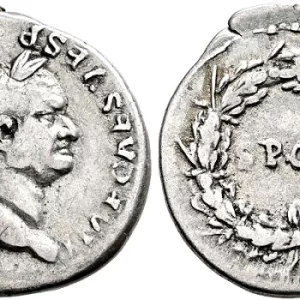
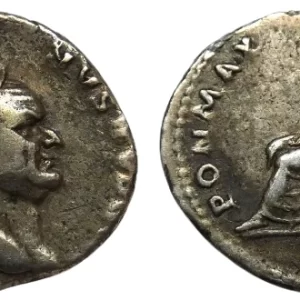
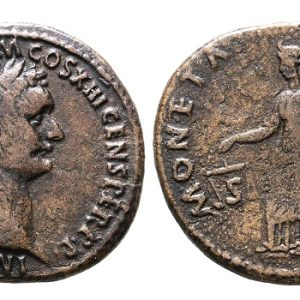
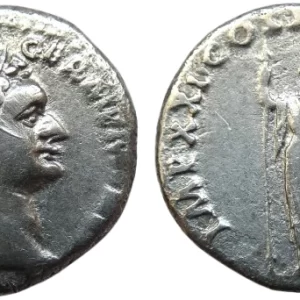
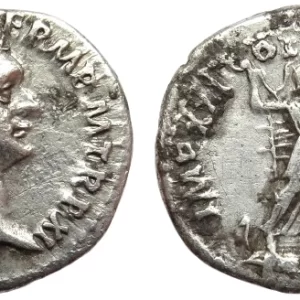
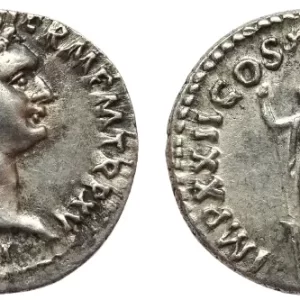
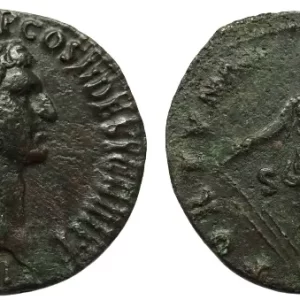
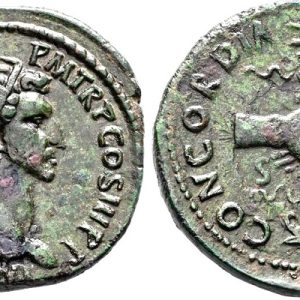
silver denarii, brass sesterces, gold aurei, and later imperial issues, carefully authenticated and preserved. Roman Imperial coinage offers a direct connection to the emperors, military campaigns, religious beliefs, and political messaging that shaped the Roman world. Each coin served not only as currency but also as a medium of imperial propaganda, circulating portraits and messages across three continents.
Owning a Roman Imperial coin means holding a tangible witness to centuries of Roman power and administration.
From Augustus to the fall of Rome: the Imperial Coinage timeline
Roman Imperial coinage began with Augustus, who
established monetary standards that remained influential for centuries. Early imperial issues emphasized stability, continuity, and the legitimacy of imperial authority. Portraiture became a defining feature, creating one of the most complete visual records of rulers in ancient history. Throughout the High Empire, coinage reflected military victories, public works, religious reforms, and dynastic succession. During the 3rd century CE, economic pressures and political instability led to significant changes in minting practices, metal content, and denominations. Despite these challenges, Roman Imperial coins
continued to circulate widely until the collapse of imperial authority in the West, making them essential artifacts for understanding Roman history.

How Roman Imperial coinage worked: denominations and circulation
The Roman Empire maintained a hierarchical and highly organized monetary system designed to support trade, taxation, and military logistics.
The silver denarius was the primary coin for salaries, state payments, and large transactions, typically weighing around 3.0 to 4.0 grams depending on the period. Its widespread use made it one of the most influential coins in ancient history. The sesterce, a large base-metal coin struck primarily in orichalcum (a copper-zinc alloy), circulated widely for everyday transactions among the general population.
Gold aurei represented the highest denomination, used for major payments, imperial rewards, and reserves of wealth. Introduced in 215 CE,
the antoninianus marked a turning point in Roman coinage, reflecting monetary reforms and the financial strains of the later empire.
Portraits of power: Emperors and their coinage
Roman Imperial coins document the
reigns of some of history’s most significant rulers. Coins of Augustus set the foundation for imperial imagery and authority. Nero’s issues are renowned for their artistic quality and historical context, reflecting major building projects and reforms. Trajan’s coinage celebrates military expansion and monumental architecture, while Hadrian’s coins commemorate his extensive travels and the cultural diversity of the empire.
Marcus Aurelius’s coins often emphasize virtue, duty, and philosophical ideals, mirroring his reputation as a Stoic emperor. Collecting coins from different emperors allows numismatists to trace political change, artistic evolution, and shifts in imperial ideology over nearly five centuries.
Imperial mints, metals, and craftsmanship
Roman Imperial coins were produced in a
wide range of metals, including gold, silver, and base alloys. Early imperial silver issues maintained high purity, while later periods saw progressive debasement in response to economic pressures. In some late 3rd-century issues, silver content declined dramatically, providing valuable insight into Roman monetary policy. Coins were struck at numerous
imperial mints, including
Rome, Alexandria, Antioch, and other major centers. Variations in style, engraving quality, and mint marks reflect regional practices and add depth to specialized collections. Patina, strike quality, and preservation play a major role in determining rarity and value.
Authentic Roman Imperial coins and provenance
All Roman Imperial coins offered in this category are authentic ancient artifacts. Each piece is examined for style, weight standard, metal composition, and historical attribution. Authenticity and provenance are fundamental in numismatics, ensuring both scholarly reliability and long-term collectible value.
Why Roman Imperial coins remain a cornerstone of ancient numismatics ?
Roman Imperial coins unite
history, art, and value in a single object. They chronicle the rise, transformation, and decline of an empire that shaped Western civilization. For collectors, they offer depth, variety, and historical continuity. For investors, they represent scarcity-based assets with enduring appeal. Whether you are expanding a numismatic collection or acquiring historically significant coins as long-term holdings, Roman Imperial coins remain among the most respected and sought-after categories in ancient numismatics.