
The ancient drachma: a comprehensive guide to a timeless currency
Oct
Legendary for its elegance and economic power, the drachma stands as an enduring symbol of Greek civilization’s ingenuity. This ancient silver coin was more than just money. It embodied value, trust, and connection, fueling bustling markets and distant trade routes. Today, the ancient drachma continues to captivate scholars, collectors, and anyone drawn to the fascinating tapestry of history woven by Greece’s influence across ages.
Understanding the Origins of the Drachma
Historical Background of the Drachma
The story of the drachma begins in the 7th century BCE, when Greek city-states pioneered the practice of minting coins. Greek merchants and rulers adopted the drachma as a standard to simplify exchange and foster trade relations. Rooted in the word “drax, ” meaning a handful, it originally referred to a handful of obols (metal rods used as money). This transition from barter to coinage marked a major shift, transforming Greece’s commerce and uniting its various city-states under a universal medium.
The Evolution of Greek Currency
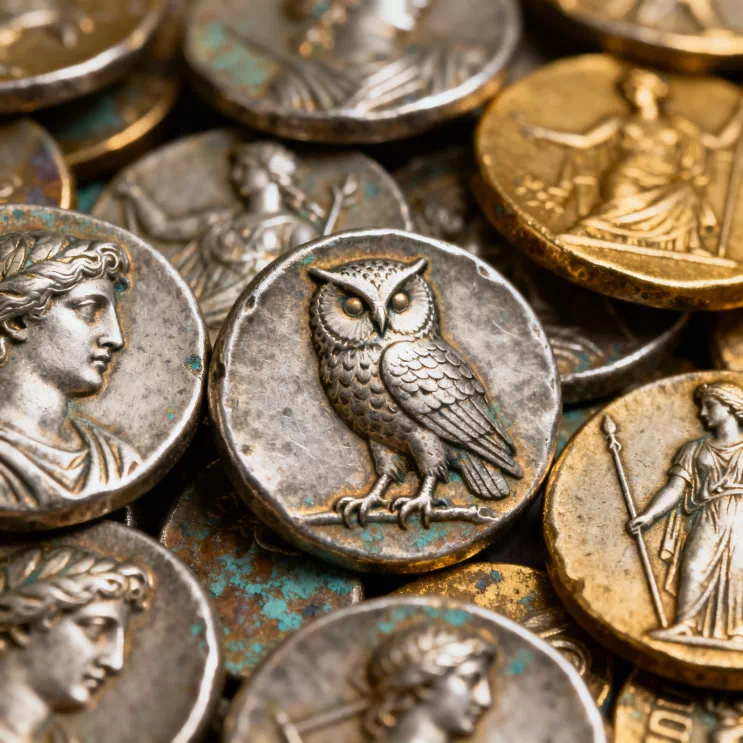
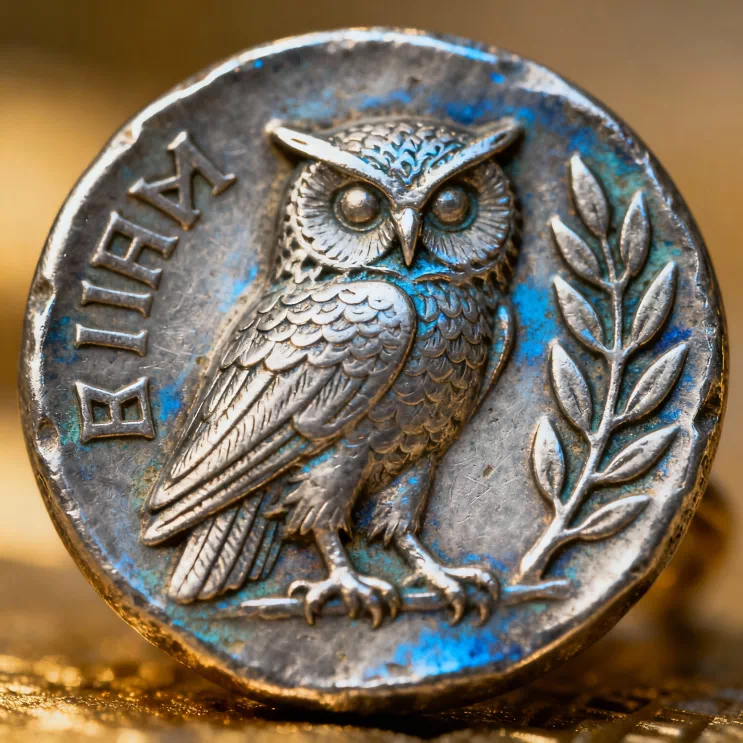
Greek currency did not remain static. Over centuries, the drachma evolved in both form and function. City-states minted their own variations, each featuring unique designs to assert identity and prestige. For example, Athens became synonymous with the iconic owl tetradrachm, while Corinth favored the winged Pegasus. These changes reflected not only artistic trends, but also political shifts and economic alliances.
The Role of Drachma in Ancient Society
Beyond commercial exchanges, drachmas permeated daily life and sponsored public works. Wages were paid in drachmas, taxes were collected, and even religious offerings involved these coins. Their consistent weight and silver content supported trust, creating a foundation for political stability and the flourishing of arts and democracy that Greece is famed for today.
Characteristics and Types of Ancient Drachma
The Drachma Design and Minting Process
The ancient drachma was usually struck from silver, featuring intricate motifs on both sides. Images ranged from gods and goddesses to city emblems, each telling a story of civic pride and myth. Minting involved pressing blanks of silver between engraved dies, a process that required mastery and ensured every coin served as an emblem of authority and authenticity.
Different Denominations: From Obol to Tetradrachm
The monetary system was sophisticated, enabling purchases from daily essentials to grand transactions. Smaller denominations like the obol (one-sixth of a drachma) were common for market use, while larger units such as the tetradrachm (four drachmas) could be used for taxes or trade. This flexibility made drachmas accessible across social classes, from humble laborers to wealthy merchants.
The Silver Content and Value
Purity mattered greatly to the ancients. Standard Attic drachmas typically weighed about 4.3 grams of silver and were famed for their reliability. This high silver content boosted the drachma’s reputation well beyond Greece, ensuring its acceptance in bustling markets across the Mediterranean region.
The Drachma in Trade and Daily Life
The Economic Impact of the Drachma in Ancient Greece
As the backbone of the Greek economy, drachmas were far more than mere tokens; they enabled trust between city-states and enhanced prosperity. Their reliability allowed Greek merchants to trade with far-flung cultures, such as Egypt and Persia, thus expanding economic horizons and solidifying Greece’s role as a Mediterranean powerhouse.
Usage in Transactions: How Drachmas Were Spent
In concrete terms, drachmas could buy wheat, pottery, or even a night’s hospitality. Military pay was calculated in drachmas, and artisans were compensated for their skill in the same form. This wide use solidified the drachma as an indispensable tool for both daily needs and statecraft.
The Influence of Drachma on Modern Currency Systems
You may be wondering how this ancient currency echoes into the present. The drachma laid the foundations for European coinage systems, inspiring later coins like the Roman denarius and, centuries later, the modern Greek drachma. Its blend of utility, artistry, and trust endures in the basic ideas behind modern money.
The Lasting Legacy of the Ancient Drachma
Today, the ancient drachma remains a prized piece in any ancient coin store. Collectors seek these coins not just for their beauty, but for their role in shaping world economics and fostering cross-cultural dialogue. Museums across Switzerland and Europe highlight drachmas to illustrate the rich tapestry of classical civilization, making them tangible links to the past.
Evaluating the Value of Historic Drachmas
How Much is Ancient Drachma Worth Today?
Markets for ancient coins fluctuate, but rare drachmas, especially those with pristine images or historical pedigree, can fetch significant sums. A standard silver drachma might be valued from a few hundred to several thousand Swiss francs, depending on rarity and condition. Coins from famous mints, like Athens, command particular attention.
Significance in Numismatics: Collecting Ancient Drachmas
Numismatists cherish ancient drachmas for their artistry, heritage, and the sense of discovery they offer. Owning such a coin connects a person to millennia of stories, from merchants and statesmen to heroes depicted on their faces. For Swiss collectors, reputable dealers ensure authenticity and careful evaluation, making each acquisition a journey into the ancient world.


ClassicWorldCoins was created by a passionate collector with a deep interest in ancient coins and their stories. Through this blog, he shares his discoveries, insights, and favorite pieces to help others explore the fascinating world of numismatics.