
How long were Roman Coins in circulation? Understanding the lifespan of ancient currency
Mar
The Roman monetary system served as the robust backbone of an empire that spanned vast territories, facilitating trade from the rugged coasts of Britain to the bustling markets of the Middle East. For collectors and history enthusiasts alike, understanding the lifespan of Roman coins is essential to appreciate how these metallic artifacts functioned within ancient economies. Unlike modern paper currency, which is subject to frequent replacement, Roman coinage often remained in circulation for generations. These pieces acted as a durable medium of exchange that frequently outlived the specific emperors whose portraits were meticulously stamped upon them.
The Longevity of Roman Currency Across Different Metals
Gold and Silver Coins as Long-term Stores of Value
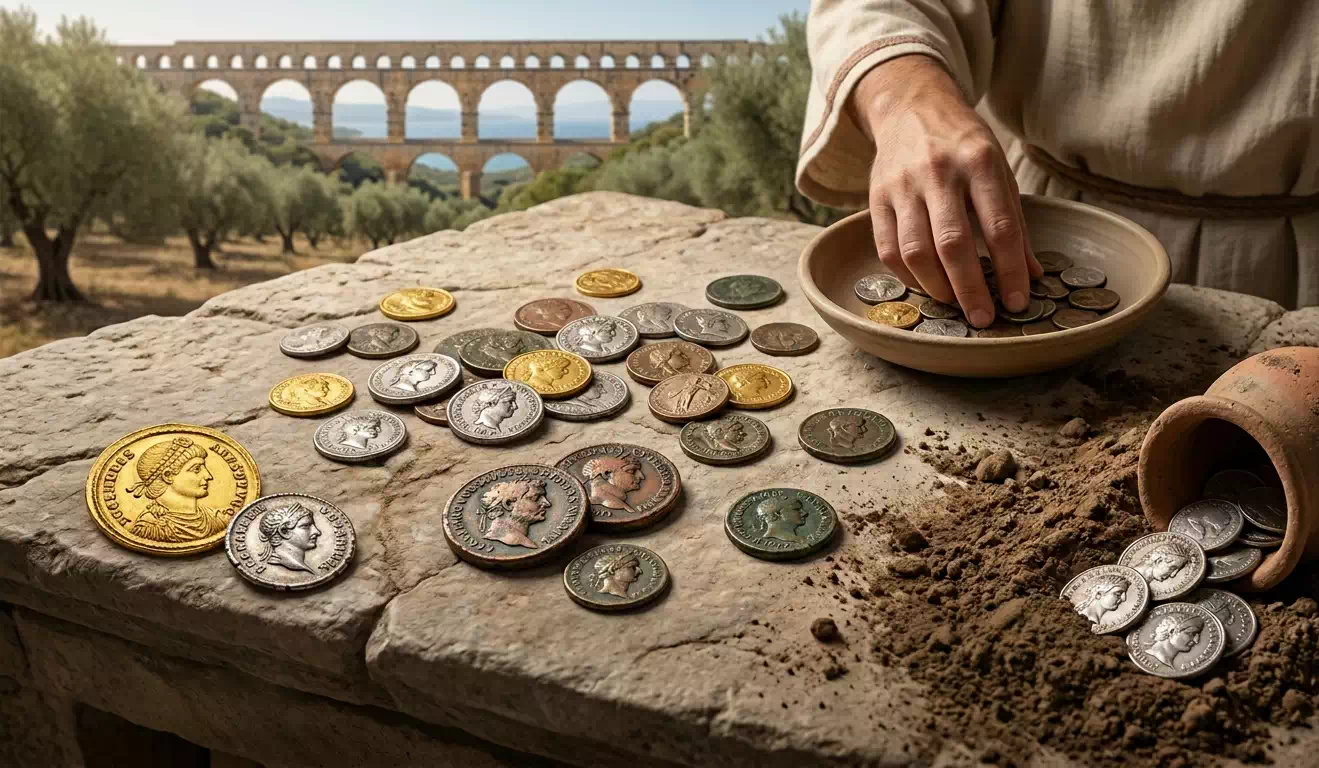
Gold aurei and silver denarii were primarily designed for high-value transactions and international trade networks. Because of their intrinsic metal value, these precious coins were frequently hoarded rather than spent in daily life. This behavior allowed them to remain in active circulation for decades, or in some instances, even centuries after their initial minting process. As highlighted in the data published regarding production volumes, the sheer quantity of these pieces ensured they remained a constant feature of the imperial landscape.
Bronze and Base Metal Coinage in Daily Transactions
Sestertii and smaller bronze denominations functioned as the true workhorses of the Roman economy, facilitating everyday purchases for the average citizen. While these coins were subject to faster physical wear due to constant handling in crowded markets, they still remained legal tender for remarkably long periods. It was common for a bronze coin to circulate long after the specific imperial administration that issued it had passed, serving as a testament to the enduring trust placed in the monetary system of the era.
Factors Influencing the Withdrawal of Old Issues
Currency withdrawal was rarely a deliberate or centralized process orchestrated by the state. Instead, coins typically exited the active circulation through physical loss, intentional hoarding during times of political instability, or the gradual natural attrition of the metal itself. Official demonetization was highly uncommon, as the Roman economy relied on the continued acceptance of existing specie to maintain vital market liquidity and stability.
Economic Pressures and the Evolution of the Monetary System
The Impact of Debasement on Coin Lifespan
Over several centuries, the Roman state frequently reduced the precious metal content of its coins to fund massive military campaigns and rising administrative costs. This debasement of currency created a tiered economy where older, high-purity coins were often pulled from circulation by astute citizens, while newer, debased versions flooded the public markets. Such economic shifts forced a constant re-evaluation of purchasing power, as the public learned to distinguish between the varying quality of circulating alloys.
Monetary Reforms and the Transition of Denominations
Periodic currency reforms, often led by powerful emperors like Diocletian, sought to standardize a chaotic monetary landscape. These interventions aimed to curb inflation by introducing new monetary denominations, which sometimes relegated older, defunct coin types to the status of bullion rather than legal tender. By studying these transitions, a specialist of ancient coins can often trace the precise moments when imperial policy attempted to rein in a volatile economy.
| Metal Type | Primary Usage | Circulation Longevity |
|---|---|---|
| Gold (Aureus) | High-value trade | Very High (often hoarded) |
| Silver (Denarius) | General commerce | High (long-term use) |
| Bronze (Sestertius) | Daily purchases | Moderate (subject to wear) |
How Hoarding Practices Affected Archaeological Records
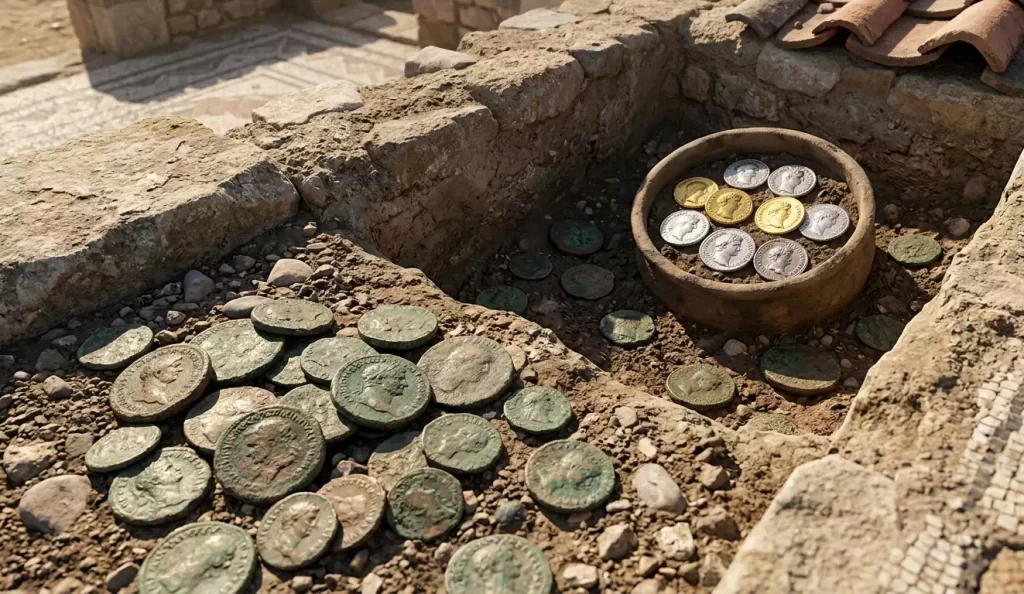
Large hoards discovered by modern archaeologists suggest that ancient users were highly selective regarding the coins they kept. By burying high-quality silver and gold during periods of crisis, the Romans unintentionally preserved these pieces, preventing them from being melted down. These caches provide an invaluable snapshot of circulation patterns, proving that what was withdrawn from the market was often the best of what the economy had to offer.
The Enduring Legacy of Roman Numismatics
Why Ancient Coins Remained Relevant for Centuries
The Roman economy functioned on trust and the weight of the metal rather than the authority of the state alone. Because the value was tied directly to the precious metal purity, a coin minted under Augustus could still be recognized and accepted as valid currency during much later imperial periods. This resilience demonstrates the sophistication of the Roman fiscal model, which prioritized consistency in metal standards over the fleeting nature of political leadership.
Distinguishing Between Active Circulation and Numismatic Value
While a coin might have technically remained legal tender for hundreds of years, its utility often fluctuated based on economic conditions. Today, numismatists carefully differentiate between the practical lifespan of a coin in an ancient marketplace and its survival as a historical artifact. Modern collectors understand that a piece which once bought bread in a Roman forum now commands value far beyond its original denomination due to its scarcity and historical significance.
- Physical durability of gold and silver alloys.
- Lack of centralized demonetization policies.
- Consistent metallic standards across centuries.
- Widespread acceptance across diverse Mediterranean regions.
Understanding the Resilience of Roman Trade Systems
The persistence of Roman coinage across vast geographic distances highlights an incredibly sophisticated economic network. By maintaining a consistent, albeit evolving, monetary standard, the Empire ensured that its currency remained a reliable tool for international commerce throughout the ancient world. This durability remains a primary focus for those who study the evolution of global finance.
Frequently asked questions regarding the circulation of Roman coins
How long were Roman coins used?
Roman coins were typically used for decades or even centuries after their minting, as the Roman economy relied on the intrinsic value of the metal. Because there was no centralized system to recall old coins, they remained valid as long as the weight and purity were recognized by the public. This long-term currency lifespan highlights the stability of the imperial monetary model.
When did Romans start using coins?
The Roman Republic began issuing its own struck coinage around the 3rd century BCE, transitioning from heavy bronze bars to standardized silver denominations. This shift was essential for facilitating trade and maintaining the financial infrastructure of a rapidly expanding state. Prior to this, Rome relied on bartering or using foreign currencies circulating in the Italian peninsula.
How did Romans wipe their bottoms?
Romans commonly used a tersorium, which consisted of a sponge attached to a stick, often kept in a bucket of vinegar or saltwater for cleaning. While this practice is well-documented in historical accounts, it was a communal tool used in public latrines. This unique aspect of daily life reflects the hygiene practices of an ancient society that differed significantly from modern standards.
Were 40000 Roman coins found?
Yes, there have been numerous archaeological discoveries of massive hoards, including several instances where tens of thousands of coins were recovered at once. These archaeological findings are crucial for numismatists as they provide concrete evidence regarding circulation volumes and the types of currency stored during times of crisis. Such discoveries continue to enrich the global understanding of Roman wealth distribution.
Further reading :
- https://www.youtube.com/watch?v=QGey2127zTs
- https://www.forumancientcoins.com/numiswiki/view.asp

ClassicWorldCoins was created by a passionate collector with a deep interest in ancient coins and their stories. Through this blog, he shares his discoveries, insights, and favorite pieces to help others explore the fascinating world of numismatics.