
Comprehensive glossary of numismatic terms for collectors

Nov
Whether you are just getting started or refining an established passion, understanding the essential terms of numismatics is key to unlocking the historical and financial secrets behind coins. By mastering this rich vocabulary, collectors can confidently identify, research, and evaluate coins, making each discovery in their collection more meaningful. From “obverse” to “toning, ” this glossary is tailored for collectors who wish to deepen their expertise with clear, concise definitions and practical examples.
Understanding the Basics of Numismatics
What is Numismatics?
Numismatics refers to the study and collection of coins, currency, and related objects, such as tokens or medals. This field is prized for connecting modern collectors to centuries-old civilizations, revealing fascinating details about trade, culture, and artistry. For some, numismatics is a scientific discipline, while for others it is a thrilling journey through history and human ingenuity.
Key Components of a Coin
The anatomy of a coin consists of several essential elements that every collector should recognize. The obverse, often called the “heads” side, typically displays a prominent portrait or emblem. In contrast, the reverse refers to the opposite side or “tails, ” often showing a value or commemorative motif. Along the edge, some coins have inscriptions or decorative patterns known as a “reeding.”
Definitions of Common Terms
Here’s a concise A-Z glossary of key numismatic terms to help you navigate catalogues and auctions with new confidence:
- Obverse: The main side of the coin, usually featuring a portrait or key symbol.
- Reverse: The back side of the coin, typically displaying a value or design.
- Mint Mark: A letter or symbol indicating the coin’s production location.
- Grade: Classification of the coin’s condition and preservation.
- Series: A grouping of coins with shared characteristics, like year or design.
- Error: A coin with a striking mistake, such as a misprint or off-center image.
- Toning: Natural color changes on a coin’s surface from exposure to air.
Coin Types and Their Significance
Different Types of Coins
Among collectors, coins are typically categorized into bullion, proof, and business strikes. Bullion coins feature high-purity metals valued mainly for their precious metal content, while proofs are minted with exceptional care, producing brilliant, mirror-like finishes sought by connoisseurs. In contrast, business strikes circulate publicly and often show more wear, each type offers distinct appeal and investment potential.
The Importance of Mint Marks
Mint marks act as the fingerprint of a coin’s origin. These small letters reveal where a coin was minted, such as “B” for Bern. For rare issues, a mint mark can significantly boost a coin’s value for collectors searching in an ancient coin store or at auctions. Two coins from the same year may differ in worth based solely on their mint marks, adding intrigue to the collecting experience.
Error Coins Explained
Error coins hold a special place in numismatics because they result from unexpected slip-ups during minting, think of a double strike or a blank section missing engraving. Collectors cherish these imperfections for their rarity and unique backstories.
Grading and Valuation Terminology
Understanding Coin Grades
A coin’s “grade” assesses its physical condition, ranging on an internationally recognized scale from poor (P-1) up to flawless mint state (MS-70). Grading standards consider wear, shine, and visible marks, with strict criteria ensuring fair comparisons. Even minute differences on the scale can result in significant changes in a coin’s value, making grading expertise crucial for every serious collector.
Factors Affecting Coin Value
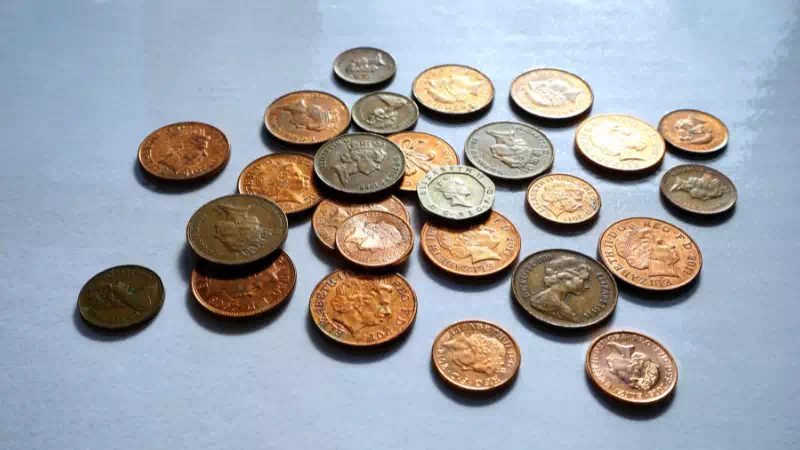
Several important aspects influence a coin’s value. Rarity, overall condition, age, and market demand all play distinct roles. For instance, a rare error coin in pristine condition will command higher prices. Colorful “toning, ” produced by decades of oxidation, can also enhance a coin’s desirability among connoisseurs who appreciate unique patinas found in historic collections.
Investment Terminology in Numismatics
If you aim to invest, familiarize yourself with terms like “purity” (metal content), “denomination” (the coin’s face value), and “liquidity” (ease of resale). A thorough understanding of these terms empowers smarter acquisitions and helps you build a collection tailored to both passion and profit.
Essential Terms Every Collector Should Know
Beyond basic definitions, certain words surface repeatedly in catalogues, at fairs, and even in museums. Authentication, provenance, slabbed, and strike are just a few. For example, “provenance” tells the previous history of a coin, and “slabbed” means it’s secured in a plastic holder by an expert. Mastering these terms not only adds precision to your conversations but also boosts confidence during appraisals or negotiations.
Frequently Asked Numismatic Questions
What is the difference between obverse and reverse?
The obverse is considered the main side of a coin, often featuring a portrait or symbolic image. In contrast, the reverse displays secondary imagery or the coin’s value. For Swiss francs, Helvetia is usually on the obverse, while a denomination or emblem appears on the reverse.
How are coin grades determined?
Coin grades are established by carefully assessing the piece’s physical condition using standardized criteria. Professional graders examine aspects like surface preservation, luster, and presence of scratches, assigning a score from worn to mint state. A higher grade almost always translates to a higher market value.
What are the characteristics of error coins?
Error coins display irregularities caused during minting, such as doubled designs, missing markings, or off-center strikes. These unusual traits increase their rarity, making them fascinating additions for collectors who value the unexpected twists in numismatic history.
Why is mint mark important in coin collecting?
The mint mark reveals where a coin was produced, sometimes signifying a rarer or limited edition. Collectors track mint marks to identify special variations and secure valuable additions to their collection. Some mint marks are highly prized, especially when linked to historic mints or small production runs.
How does market demand influence coin value?
Market demand can significantly boost a coin’s worth regardless of age or condition. When collectors compete for limited issues or popular designs, prices often rise swiftly. Trends shift over time, so staying informed helps collectors seize promising opportunities with confidence.

ClassicWorldCoins was created by a passionate collector with a deep interest in ancient coins and their stories. Through this blog, he shares his discoveries, insights, and favorite pieces to help others explore the fascinating world of numismatics.