
What is patina on coins and why it matters for your collection
May
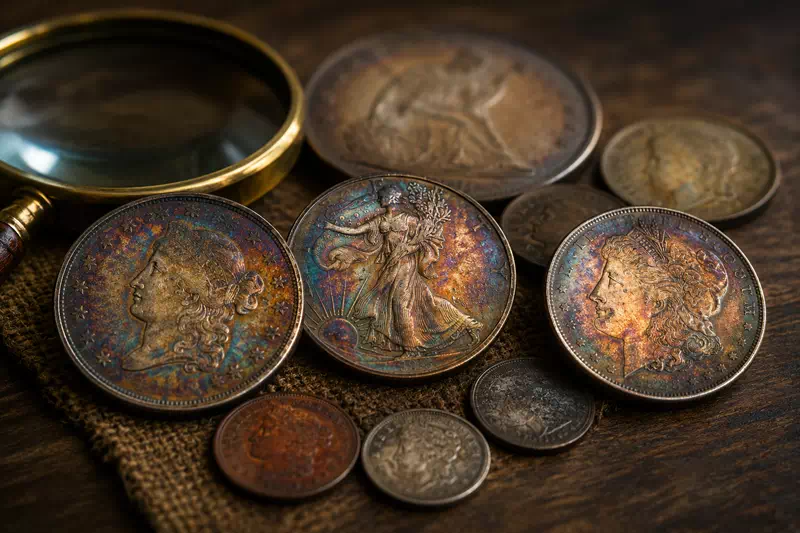
Patina is the thin, protective layer that forms on the surface of ancient coins over centuries of exposure to environmental elements. Far from being simple dirt or damage, this natural oxidation process is a hallmark of authenticity and historical integrity. For collectors, understanding patina is essential, as it significantly influences a coin’s aesthetic appeal, stability, and market value. This guide explores why this delicate surface layer is prized by numismatists and why preserving it is the golden rule for protecting your investment against unnecessary degradation or loss of provenance. You can find further Informations about patina here.
The science and formation of coin patina
How chemical oxidation creates unique colors
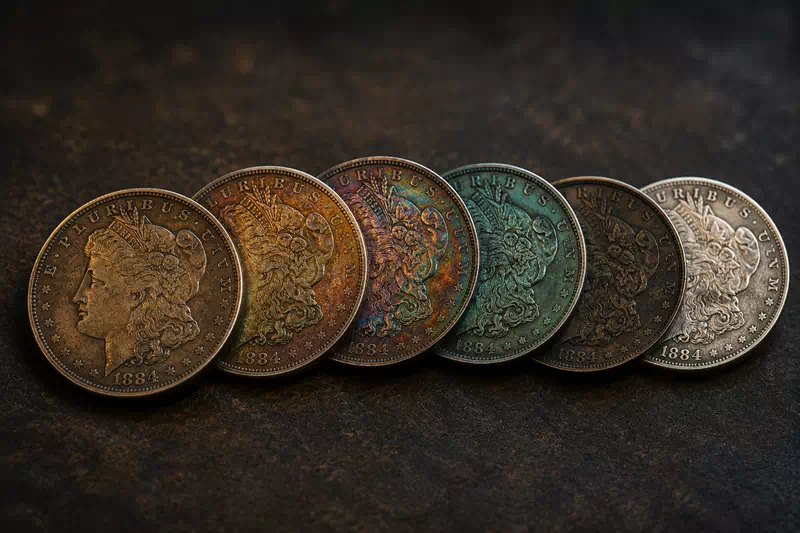
Patina is essentially the result of a chemical reaction between the metal of the coin and its environment. When copper, silver, or bronze are exposed to oxygen, moisture, and sulfur over decades or centuries, their surfaces undergo oxidation. This process creates a stable chemical barrier that protects the inner metal from further decay. The resulting colors, ranging from deep emerald greens to iridescent blues or rich browns, are unique to the specific chemical history of the burial site.
Natural versus artificial toning on ancient coins
Distinguishing between natural and artificial toning is a critical skill for any investor. Natural patina forms slowly over hundreds of years, integrating with the metal surface, while artificial toning is often applied quickly using chemicals to hide flaws or mimic age. Experts evaluate the Evaluation of the corrosion resistance of bronze patina to understand how authentic layers behave under stress. Authentic patina is usually hard and difficult to remove, whereas fake toning may appear uneven or powdery.
Environmental factors influencing surface development
The specific look of a coin depends heavily on the soil chemistry and storage conditions. Humidity and mineral content play a significant role in determining whether a coin develops a smooth, glossy finish or a rough, textured surface. Collectors should note that extreme fluctuations in climate can accelerate surface changes, making controlled storage essential for long term preservation.
Why professional collectors prefer original surfaces
Professional numismatists and investors prioritize original surfaces because they represent the untouched, authentic history of the piece. Once a coin has been stripped of its patina through cleaning, it loses its numismatic soul and a significant portion of its market value. A coin with an original, stable patina is considered a blue-chip asset in any serious collection.
Preservation and long term care
Differentiating between stable patina and bronze disease
While most patina is beneficial, “bronze disease” is a destructive form of copper chloride corrosion that looks like a bright, powdery green spot. Unlike stable patina, this condition is infectious and will continue to eat away at the metal until it is professionally treated. Differentiating between the two is vital to prevent the rapid degradation of your collection.
Best practices for handling and storage
To preserve your coins, always handle them by the edges and avoid touching the surfaces with your bare fingers, as oils from your skin can cause unwanted discoloration. Store your ancient coins in inert, PVC-free holders or quality cardboard flips to prevent chemical reactions with the storage material. Maintaining a stable, low-humidity environment is the best way to ensure your pieces remain in their current state for decades to come.
The risks of cleaning ancient coins
Cleaning an ancient coin is widely considered the most damaging action a collector can take. Even mild abrasive cleaning can remove microscopic layers of detail and destroy the protective patina, leading to irreversible loss of value. If a coin appears to have dirt, it is often safer to leave it as is, or consult a professional conservator who understands the delicate nature of ancient surfaces.
Protecting your numismatic legacy
Ensuring the integrity of your collection for the future
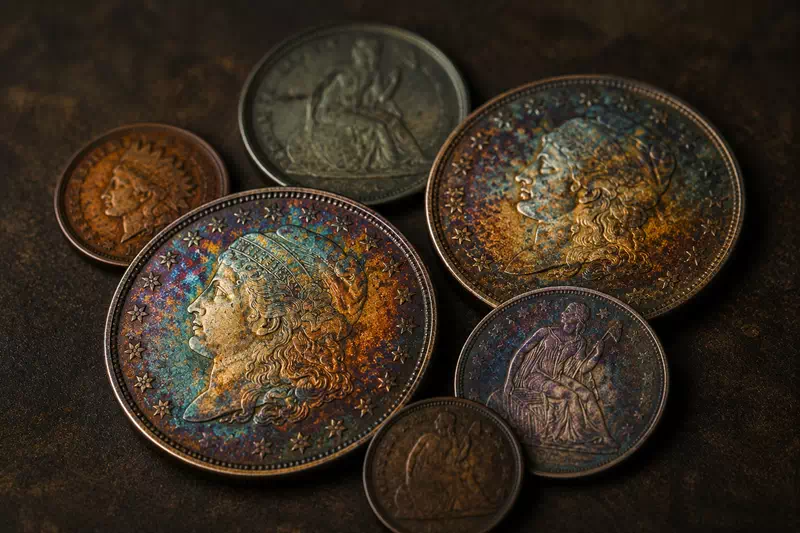
Building a collection is an investment in history, and protecting that investment requires a commitment to preservation. By understanding the chemical processes that create patina, you can make informed decisions about how to house and display your coins. Always prioritize the long-term stability of the metal over short-term visual improvements like cleaning.
| Storage Method | Pros | Cons |
|---|---|---|
| PVC-free Flips | Inexpensive and clear | Requires careful handling |
| Wooden Cabinets | Classic, stable environment | Takes up space |
| Professional Slabs | Certified protection | Limits physical access |
Frequently asked questions about coin patina
Does patina increase value?
In the world of ancient numismatics, an attractive, natural patina generally increases the value of a coin. It serves as a visual indicator of authenticity and provides a protective layer that has developed over centuries. Collectors are willing to pay a premium for coins that possess a consistent and aesthetically pleasing patina, as it is a mark of the coin’s historical integrity.
How to get patina off of coins?
You should never attempt to remove the patina from an ancient coin, as this process usually involves chemical or mechanical cleaning that permanently damages the surface. Removing the patina strips away the protective layer and the historical evidence of the coin’s age, which drastically reduces its collector value. If you feel a coin has excessive buildup or debris, it is best to consult a professional conservator rather than attempting any DIY cleaning methods.
Why do coin collectors hate cleaned coins?
Collectors view cleaned coins as damaged goods because the cleaning process inevitably removes some of the original metal and destroys the natural, protective patina. Once a coin is stripped, it loses its original finish and often develops an unattractive, unnatural look that cannot be easily reversed. This loss of surface integrity makes it difficult to verify the authenticity and historical context of the piece, leading to a significant drop in market demand.
Can a coin regain its natural patina after being cleaned?
A coin cannot regain its original, ancient patina once it has been cleaned, as that patina is the result of centuries of specific environmental exposure. While a coin may develop a new layer of oxidation over time, it will look different from the original and will never be considered “original” by advanced collectors. This new toning is often uneven and lacks the historical depth that makes ancient coins so desirable to numismatists.
Further reading
- https://www.nature.com/articles/s41598-025-85290-x
- https://www.forumancientcoins.com/numiswiki/view.asp?key=patina&srsltid=AfmBOop7Hj0se8rQSIqHt3NQORKaaVrRsANdTEBpwYfGzBFk75enoQb1
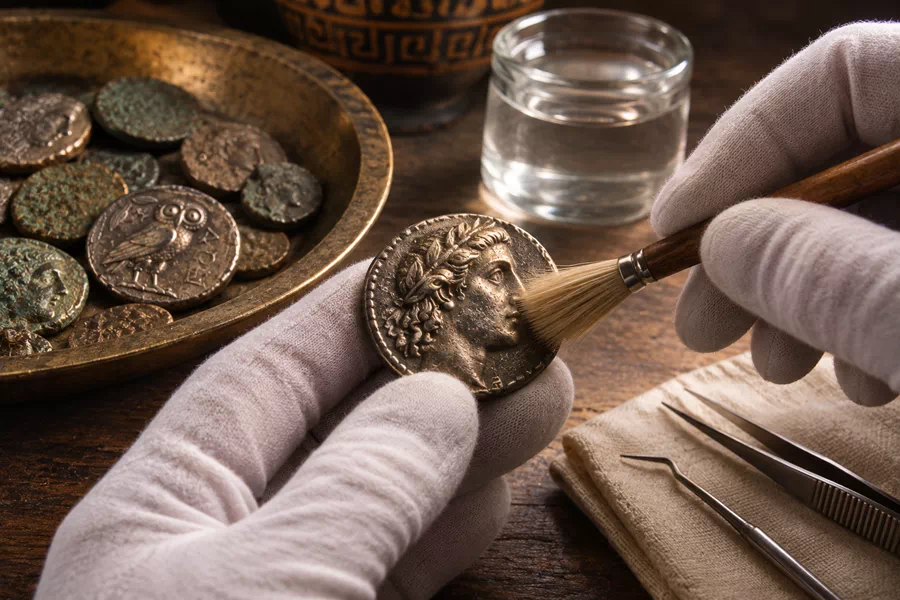

ClassicWorldCoins was created by a passionate collector with a deep interest in ancient coins and their stories. Through this blog, he shares his discoveries, insights, and favorite pieces to help others explore the fascinating world of numismatics.