
What is the numismatic grading scale? A Guide for Collectors
May
The numismatic grading scale is the universal language used by collectors and investors to determine the quality, condition, and market value of ancient coins. Ranging from 1 to 70 on the Sheldon scale, this numeric system provides a standardized way to assess how much wear a coin has experienced since it left the mint. For investors and enthusiasts, understanding this scale is the first step toward building a secure and prestigious collection. This guide explores the technical criteria and professional standards that turn a simple piece of history into a valuable asset, ensuring transparency and confidence in your acquisitions.
Understanding the Sheldon Grading Scale
The numeric hierarchy from 1 to 70
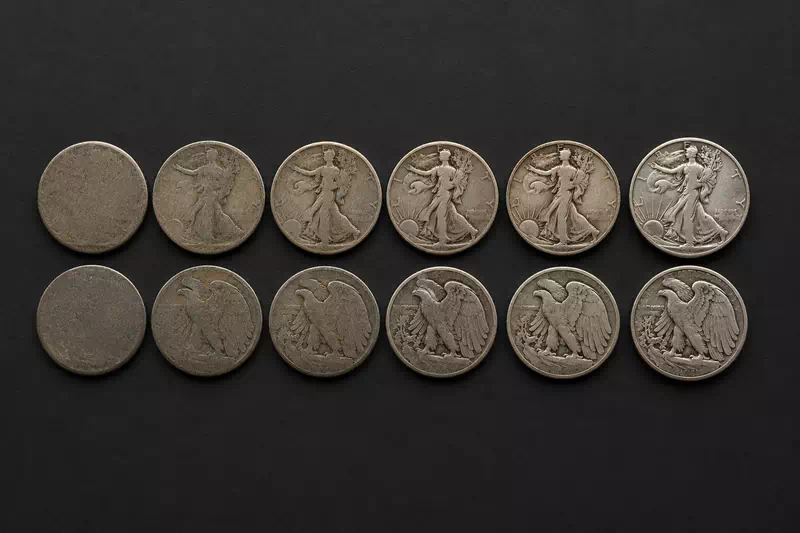
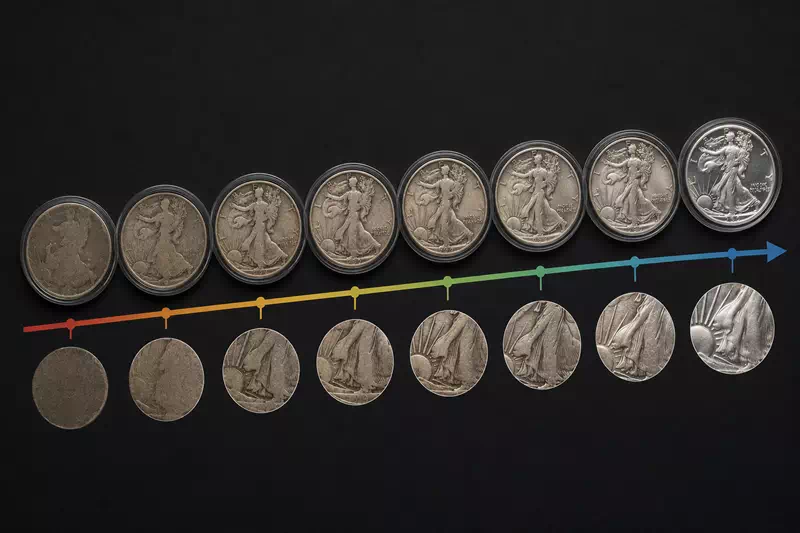
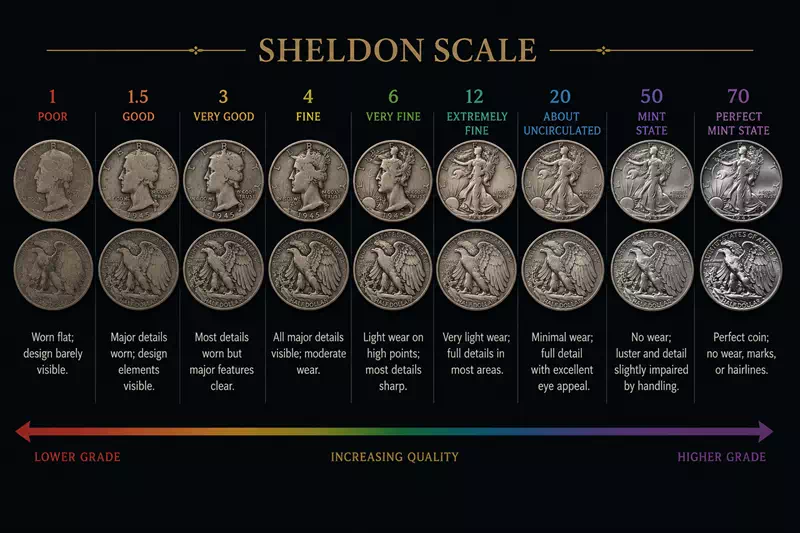
The Sheldon scale is the foundation of modern numismatics. It assigns a numerical value from 1, which represents a coin so worn that only the date and type are identifiable, to 70, which denotes a perfect specimen with no visible flaws even under magnification. Understanding this scale is vital for investors because the jump in value between numeric grades can be exponential, especially for rare issues where a single point difference can represent thousands of pounds in market value.
From circulated coins to Mint State status
Coins are generally categorized into two broad groups: circulated and uncirculated. Circulated coins show varying degrees of wear from daily use, graded from Poor (P) to About Uncirculated (AU). Mint State (MS) coins, ranging from 60 to 70, exhibit no wear. To learn more about specific grade descriptors, you can consult the NGC Coin Grading Scale. Interpreting the numeric grade on a professional coin slab allows you to verify that the coin matches its market price expectations.
Key visual criteria for determining a grade
Graders look at several factors: surface preservation, strike, and luster. The term strike refers to how well the metal filled the dies during the minting process, a weak strike can lower a grade even if the coin shows no wear. Other criteria include the presence of contact marks, hairlines from improper cleaning, or environmental damage. You can find more detailed visual benchmarks at this Grading Scale guide.
The role of professional certification services
Why third party authentication is essential
Professional services provide impartiality that individual buyers cannot achieve alone. They employ multiple experts to examine each coin, ensuring that counterfeits are identified and that the grade assigned is consistent with international standards. Third party certification protects the buyer by guaranteeing the authenticity and providing a tamper-evident slab that preserves the coin’s condition.
Comparing major grading services like NGC and PCGS
NGC and PCGS are the industry leaders. While both use the Sheldon scale, they have slight differences in their specific grading nuances and holder designs. Choosing between them often comes down to personal preference or the specific type of coin being collected, but both provide the high level of security required for serious investment.
Understanding the information on a coin slab
Beyond the numeric grade, slabs often include suffixes. For example, “PL” stands for Proof-Like, and “DMPL” stands for Deep Mirror Proof-Like. These indicate that the coin has highly reflective surfaces, which adds significant value to the specimen. Always check the label for these indicators as they dramatically affect market desirability.
Factors influencing the value of your coins
How eye appeal and luster impact the final grade
Eye appeal is the “X-factor” of numismatics. Even if two coins have the same technical grade, the one with better “toning” or superior original mint luster will almost always command a higher price. Luster is the original frosty or satiny surface texture that disappears once a coin has been circulated or cleaned.
The importance of strike and production quality
Strike quality relates to the technical manufacturing process. A “full strike” displays every detail intended by the die engraver. While European standards sometimes differ from the American Sheldon scale, the global market increasingly converges on these professional numeric standards to ensure liquidity for international investors.
Distinguishing between a coin grade and market rarity
A high grade does not always mean a coin is a good investment. Market rarity is determined by how many specimens of a specific date and mint exist, and how many are in high-grade condition. Rarity is the multiplier that works alongside the grade to establish the final market value of your asset.
Expert tips for your numismatic journey
Avoiding common mistakes when buying raw coins
Beginners often mistake “shiny” for “high grade.” Cleaning a coin to make it look brighter destroys its numismatic value and will cause it to be labeled as “Details” grade by professional services. Always avoid buying raw coins that appear to have been polished or handled aggressively.
Best practices for storing and protecting graded assets
Graded coins should be stored in a climate-controlled environment, away from direct sunlight and high humidity. While the slabs are designed to protect the coin, improper storage can lead to atmospheric toning or environmental damage over time, which may degrade the coin’s appearance.
Provenance and environmental factors
Provenance, or the history of ownership, adds significant prestige to a coin. A piece from a famous collection often carries a premium. Conversely, environmental damage, such as verdigris or corrosion, can permanently lower the value of an otherwise high-grade specimen.
The submission process
To submit a raw coin, you must join a grading service as a member, select the appropriate service tier, and package the coin securely. It is a meticulous process, which is why many collectors prefer to purchase coins already certified by reputable firms.
Further readings
- NGC Coin Grading Scale: ngccoin.com
- Grading Scale: classicalcoingrading.com


ClassicWorldCoins was created by a passionate collector with a deep interest in ancient coins and their stories. Through this blog, he shares his discoveries, insights, and favorite pieces to help others explore the fascinating world of numismatics.