
Who buys old coins?
Apr
The main buyers are specialist coin dealers, private collectors, auction houses and people shopping through numismatic marketplaces. Some precious-metal buyers also purchase gold or silver coins. The best option depends on the coin, its condition, its authenticity and how quickly you want to sell.
An ancient Roman bronze coin and a modern silver bullion coin attract different buyers. Understand each selling method before accepting an offer.
Who buys old coins?
1. Specialist coin dealers and antique coin buyers
Professional coin dealers buy coins for resale. Some handle a broad range of world coins, while others specialize in ancient Greek and Roman issues, medieval coinage, particular countries or precious-metal coins. Choose a dealer familiar with your type of coin.
Dealers can make a direct offer based on authenticity, condition and demand. The offer is usually below the retail price because of business costs, risks and resale margins. The American Numismatic Association explains this distinction and recommends comparing offers if a seller is uncertain.
2. Private coin collectors
Individual collectors buy old coins to complete a series or develop a particular interest. Someone collecting Roman emperors, for example, may be searching for a specific ruler, mint or reverse type. Others focus on Greek cities or medieval coinage.
Private buyers can sometimes pay more for a coin they particularly want, but this is not guaranteed. Finding a buyer and arranging secure payment takes work. Coin clubs and shows can help.
3. Numismatic auction houses
A specialist auction house may be worth considering for rare, desirable or higher-value coins. Auction houses generally offer coins on consignment. The final price can exceed or fall below expectations.
Ask about commissions, additional charges, estimates, reserves and payment dates. Lower-value coins may be grouped into lots. Some specialists also buy directly. For example, Classical Numismatic Group describes both buying coins directly and selling them through auction.
4. Online marketplaces
Online marketplaces reach collectors beyond your area. They can suit identifiable coins with clear photographs of both sides and accurate descriptions.
Check selling fees, payment safeguards, shipping rules and dispute procedures. Never present uncertain identification or authenticity as fact.
5. Precious-metal buyers
Some gold and silver coins are bought primarily for their metal content. A bullion buyer may be suitable for these pieces, but a collectible coin can have value beyond its gold or silver content. Ask a numismatist before selling a scarce historical coin for metal value alone.
Who buys ancient and antique coins?
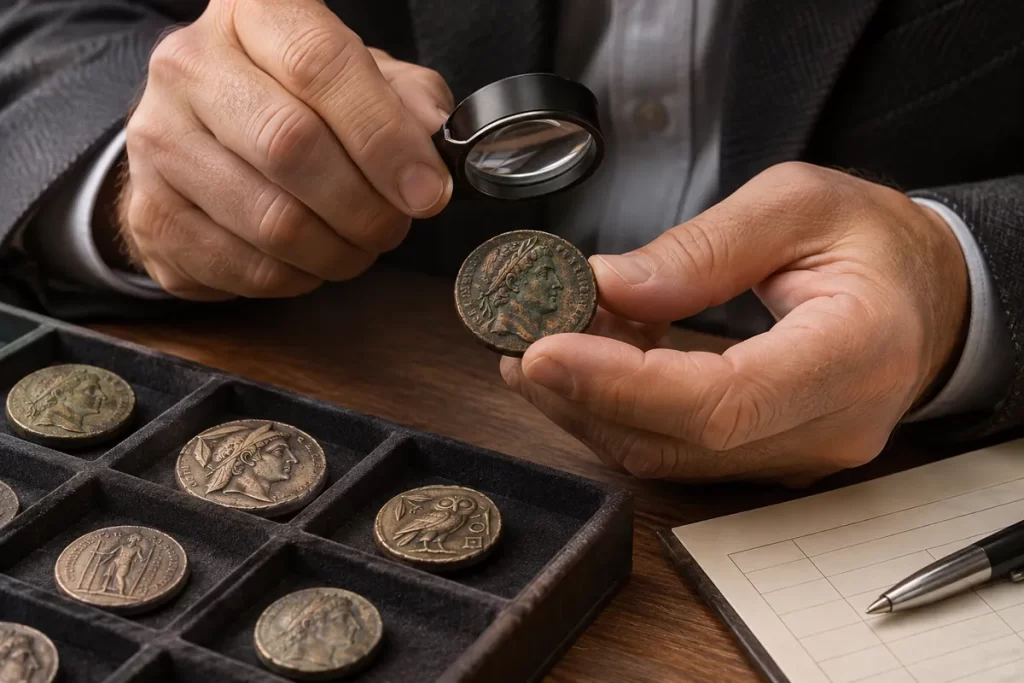
Ancient coin buyers often specialize in Greek, Roman, Byzantine or other historical coinage. Identification requires attention to portraits, legends, reverses, metal, weight and varieties. Condition and authenticity also matter.
For ancient coins, keep any previous purchase invoice, auction reference, collection label or ownership documentation. These records help with identification and provenance. Before international shipment, check the applicable ownership, export and import rules.
Museums occasionally acquire coins for their collections, but a specialist dealer or auction house is a more practical starting point for most sellers.
Where can you find trustworthy old coin buyers?
Start with an established dealer who works with the type of coin you own. Two professional directories can help you identify firms to contact:
- International Association of Professional Numismatists (IAPN) member directory, which includes coin dealers and specialists in different countries.
- American Numismatic Association dealer directory, which lists member dealers.
Membership is not a guarantee. Check specializations, reputation and written terms, and compare assessments for valuable coins.
How much are old coins worth?
Age alone does not establish a coin’s price. Buyers consider:
- Identification and authenticity: The exact issue, mint, date or variety must be established as far as possible, and authenticity concerns can prevent a sale.
- Rarity and collector demand: A scarce type is not automatically expensive if few collectors want it, while a more common type may attract substantial demand.
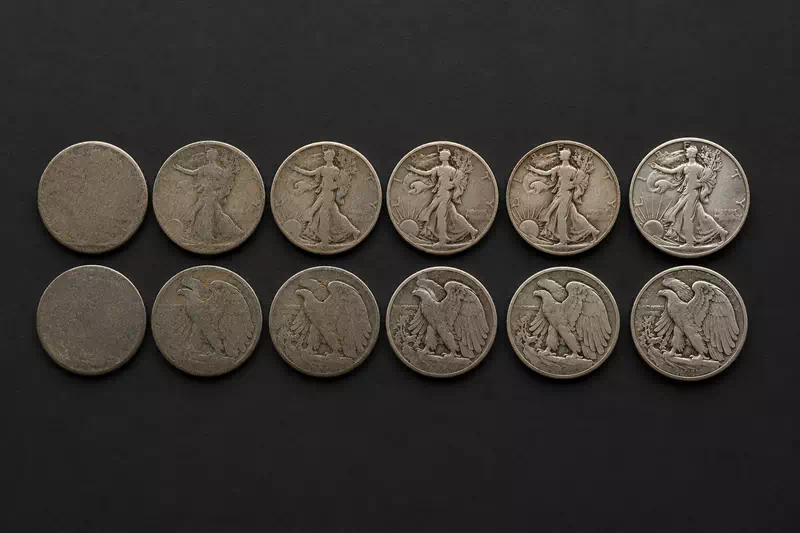
- Condition and surface quality: Wear, damage, corrosion, cleaning and overall visual appeal can affect the price.
- Metal: Gold and silver content may contribute to value, but collector value can be higher or lower than a seller expects.
- Provenance: Reliable ownership records can be especially relevant for ancient or culturally significant coins.
Look at completed sales of comparable coins, not just advertised asking prices. Make sure the examples match your coin’s type, authenticity and condition as closely as possible. Dealer offers, retail listings and auction hammer prices are not interchangeable.
How to sell old coins safely
- Make an inventory. Photograph the front and back of each coin, record its weight and diameter if you can do so safely, and preserve any existing labels or purchase documents.
- Do not clean the coins before appraisal. Abrasive or inappropriate cleaning can permanently alter the surface and reduce collector interest.
- Seek a preliminary identification. Contact a dealer who handles the relevant period or coin type. Photographs help initially, but direct examination may be necessary.
- Compare realistic offers. For a valuable item or collection, approach more than one specialist and ask whether the quotation is a direct purchase price or an auction estimate.
- Check the terms before transferring the coins. Confirm any commissions, payment method, timing, return conditions, insurance and shipping arrangements in writing.
For ancient coins, check provenance. UNESCO’s 1970 Convention provides the international framework for preventing illicit trade in cultural property, including certain antiquities and coins.
Frequently asked questions
Where can I sell old coins near me?
Look for a local professional coin dealer or a numismatic show, and confirm that the buyer deals in the type of coins you own. Professional directories can help you identify specialists, including those who accept inquiries from sellers outside their immediate area.
Do coin dealers buy every old coin?
No. Dealers choose material according to their expertise, inventory and customer demand. Some coins have little additional collector value, and others may require more research before a dealer can make an offer.
Is it better to sell old coins to a dealer or at auction?
A direct dealer sale may be simpler when you want a definite offer. An auction can expose a desirable coin to competing bidders, but the result and payment date are uncertain, and fees reduce the amount received. Compare the likely net proceeds rather than the headline sale price.
Can I sell an inherited coin collection without knowing its value?
Yes, but first have the collection reviewed by a qualified numismatist, especially if it contains unfamiliar ancient coins, gold pieces or apparently scarce issues. Preserve the original packaging and documentation, and do not clean the coins.
Does a coin become valuable just because it is 100 years old?
No. Age is only one part of the story. Identification, surviving supply, condition, authenticity and demand are more useful for understanding what a buyer may actually pay.
Choose the buyer who understands your coins
If you want to sell old coins, begin with a specialist rather than accepting the first price offered. Compare dealers, private collectors and auctions according to the coins involved, the fees and the level of work you are prepared to do. For ancient coins in particular, reliable identification and ownership documentation deserve careful attention.
Interested in the different types of historical coinage? Explore our guide to collecting ancient coins or browse the ClassicWorldCoins catalog to see examples of Roman, Greek and other ancient coins.

ClassicWorldCoins was created by a passionate collector with a deep interest in ancient coins and their stories. Through this blog, he shares his discoveries, insights, and favorite pieces to help others explore the fascinating world of numismatics.