
Column of Antoninus Pius
May
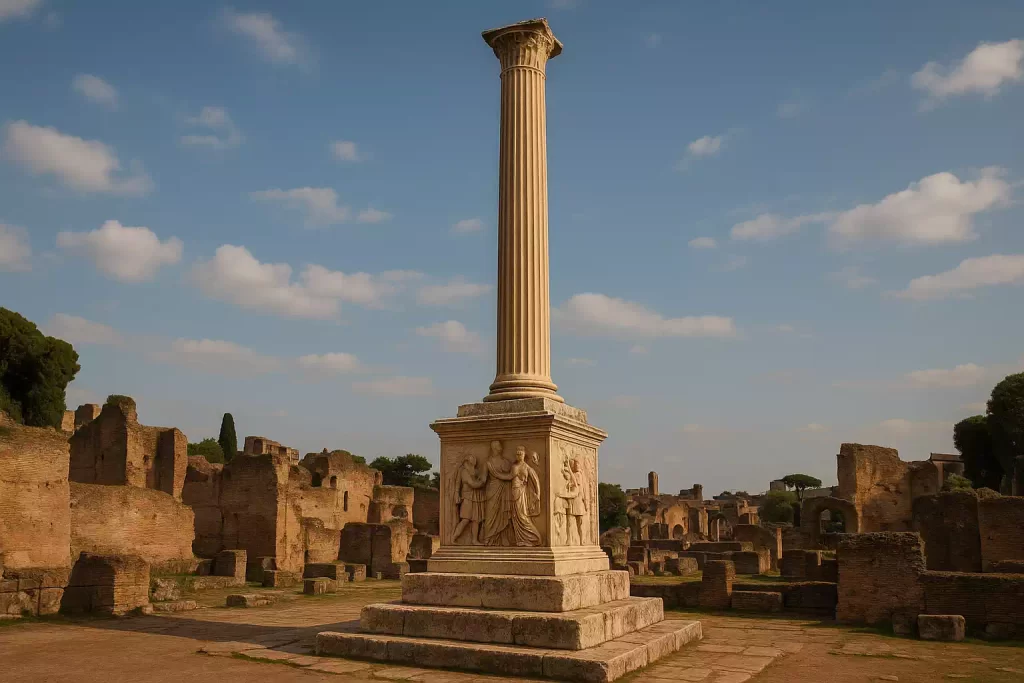
The Column of Antoninus Pius is a remarkable testament to Roman artistry and imperial memory, nestled in the heart of ancient Rome. Erected in honor of Antoninus Pius, a revered emperor known for his peaceful and prosperous reign, the monument encapsulates not only architectural brilliance but also the values and ideals that shaped the empire. Today, the column stands as a window into Rome’s storied past, offering insights into its creative craftsmanship, political symbolism, and the enduring influence of the Antonine dynasty. Whether you are passionate about history or simply curious about ancient marvels, understanding the Column of Antoninus Pius reveals a fascinating chapter in the legacy of the Roman world.
Historical context of the column
Life and reign of Antoninus Pius
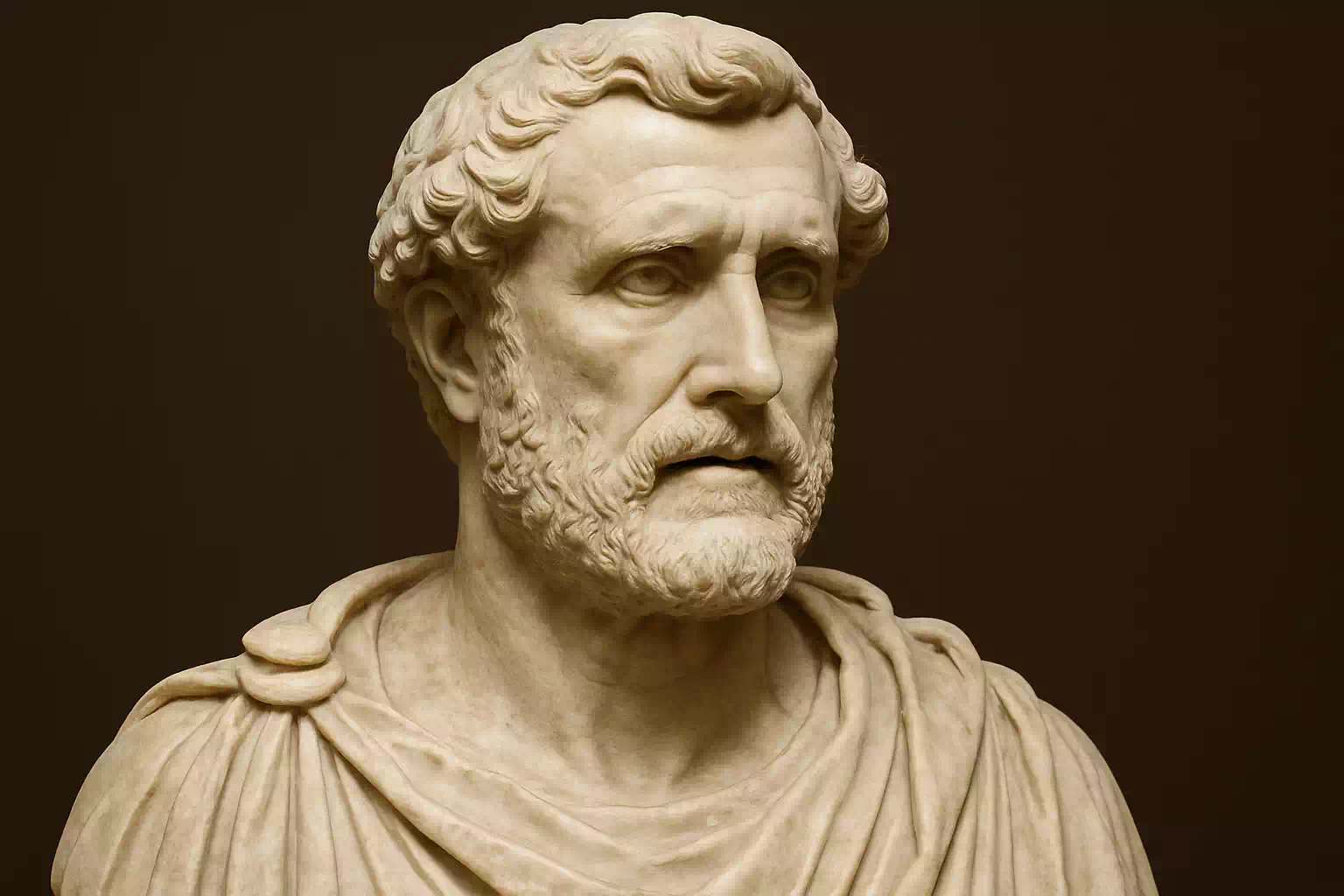
Antoninus Pius, adopted by Emperor Hadrian, ascended to the throne in 138 CE and presided over a period celebrated as the height of the Pax Romana. His governance was marked by stability, skilled negotiation, and an ability to resolve challenges through goodwill rather than military force. Emperor Antoninus’ respect for law, support of culture, and promotion of capable successors like Marcus Aurelius cemented his reputation as a powerful and just leader in Roman memory. This enduring image made him a figure worthy of unique commemorative recognition.
Significance of the column in Roman culture
In Roman traditions, monumental columns were utilized to celebrate military triumphs or memorialize significant rulers. The Column of Antoninus Pius, however, diverges from the purely triumphal narrative, serving instead as a commemorative work that honors the emperor’s life, reign, and peaceful legacy. It reflects not only the military strength of Rome but also a period of rare stability, valuing governance and wisdom alongside valor. Such monuments reinforced the legitimacy of imperial succession and the continuity of Roman power.
The purpose behind the monument
Commissioned by Marcus Aurelius and Lucius Verus, Antoninus’ adopted heirs, the column was intended to celebrate their predecessor as well as assert their authority. Its creation followed Antoninus Pius’ death in 161 CE, symbolizing both mourning and acknowledgment of his lasting contribution. The monument thus became a focus for collective memory and public ceremonies, transforming the emperor’s passing into a story of transition and unity. Positioned in the Campus Martius, it acted as a visual and emotional landmark within the imperial capital.
Architectural Features of the Column
Construction Techniques and Materials Used
The monument’s main shaft was crafted from red granite, a material quarried and transported over vast distances to Rome. The massive structure initially stood nearly 15 meters high, resting atop a base carved from high-quality white marble. This impressive combination of granite and marble showcases the mastery of Roman engineering and resource management prevalent during the mid-180s CE. The choice of durable materials ensured the column’s visibility and resilience through the centuries.
Iconography and Reliefs on the Column
Unlike more narrative-driven columns such as Trajan’s, the Column of Antoninus Pius featured elaborate reliefs concentrated on its base rather than a spiral band. These decorations depicted key scenes associated with the emperor’s life and deification. The carved figures, ranging from senators to divine beings, express the respect and aspirations of those who honored Antoninus, encapsulating traditions of adoption, familial piety, and imperial valour. Each motif was designed to convey messages about legitimacy, legacy, and the cycle of imperial succession.
The Base of Antoninus Pius: Design and Symbolism
The base remains the column’s most celebrated feature, with all four sides illuminated by ornate reliefs. Chief among these is the depiction of the apotheosis of Antoninus and his wife Faustina, shown ascending toward the heavens with the support of an eagle (the symbol of Jupiter) and the personifications of Roma and Campus Martius. This blend of mythological references and political messaging confirmed the emperor’s eternal place among the gods and affirmed the longevity of the Antonine lineage. The design continues to be a subject of admiration for historians and visitors today.
Artistic Representations and Themes
The Apotheosis Scene: What Does It Depict?
One of the most iconic elements of the Column of Antoninus Pius is its apotheosis scene. Here, Antoninus and Faustina are portrayed being carried skywards by an eagle, watched by personified figures of Rome and Mars. The relief skillfully communicates the transition from mortal rule to divine status, a central theme in imperial sculpture and Roman theology. It visually narrates the emperor’s deification and the respect accorded to imperial family members.
The Standard Imperial Scene on the Base
In addition to the apotheosis, the reliefs display the decursus, or funeral procession, with infantry and equestrian figures encircling the bier. The treatment of military and civic participants underscores the importance of unity and the orderly succession of power. By immortalizing these rituals, the column links Antoninus’ memory directly to the ideals of disciplined Roman control and ceremonial strength. Such artistic choices provided reassurance for both the city’s elites and its wider populace.
The Role of Family and Legacy in the Reliefs
The theme of family continuity is central to the imagery. By highlighting the emperor’s relationship with Faustina and the acknowledgment by successors such as Marcus Aurelius, the column promoted stability and legitimacy. These artistic choices echo the adoption practices of the Antonine dynasty, emphasizing an unbroken chain of powerful and respected rulers. The monument thus tells a subtle story of imperial values, remembrance, and enduring legacy.
Lasting Influence and Legacy of the Column
Today, the base of the Column of Antoninus Pius is preserved in the Vatican Museums, while the shaft itself was lost long ago. However, the monument remains a focal point for studies of imperial propaganda and commemorative art. The values it represents, stability, negotiation, and familial continuity, have contributed to its lasting place in the pantheon of Roman monuments.
Frequently Asked Questions about the Column of Antoninus Pius
What does the apotheosis scene on the column of Antoninus Pius depict?
The apotheosis scene shows Antoninus Pius and his wife Faustina being carried to the heavens by an eagle, while the goddess Roma and a personification of the Campus Martius look on. This artwork signals the emperor’s deification and eternal honor among the gods. It combines mythological imagery with political legitimation.
What were the last words of Antoninus Pius?
According to historical sources, Antoninus Pius’ last words were “Equanimitas!” which translates as “calmness” or “composure.” This farewell encapsulated his reputation for temperance, control, and dignified leadership. The words have resonated through centuries as evidence of his steady character.
Where is the Column of Antoninus Pius located?
The column was originally erected in the Campus Martius in Rome, near where the Montecitorio obelisk now stands. Today, only its magnificent base survives and is on display at the Vatican Museums. Visitors can view the finely detailed reliefs, which remain well-preserved and accessible to the public.
How does the Column of Antoninus Pius compare to the Column of Marcus Aurelius?
While both columns were constructed to commemorate revered emperors, the Column of Marcus Aurelius is noted for its spiraling narrative reliefs depicting military campaigns. The Column of Antoninus Pius, by contrast, centers its decorative program on the base, focusing on deification and ceremonial scenes. Each monument reflects the specific achievements and values of its honored emperor, highlighting variations in imperial commemoration.
What materials were used in the apotheosis of Antoninus Pius and Faustina?
The apotheosis relief was intricately carved from high-quality white marble, selected for its durability and beauty. The shaft itself was constructed from red granite, giving the column its imposing appearance. These refined materials underscore the monument’s prestige and the significance of the imperial couple’s legacy.
ClassicWorldCoins was created by a passionate collector with a deep interest in ancient coins and their stories. Through this blog, he shares his discoveries, insights, and favorite pieces to help others explore the fascinating world of numismatics.