
The most notorious roman emperors who ruined an empire
Jan
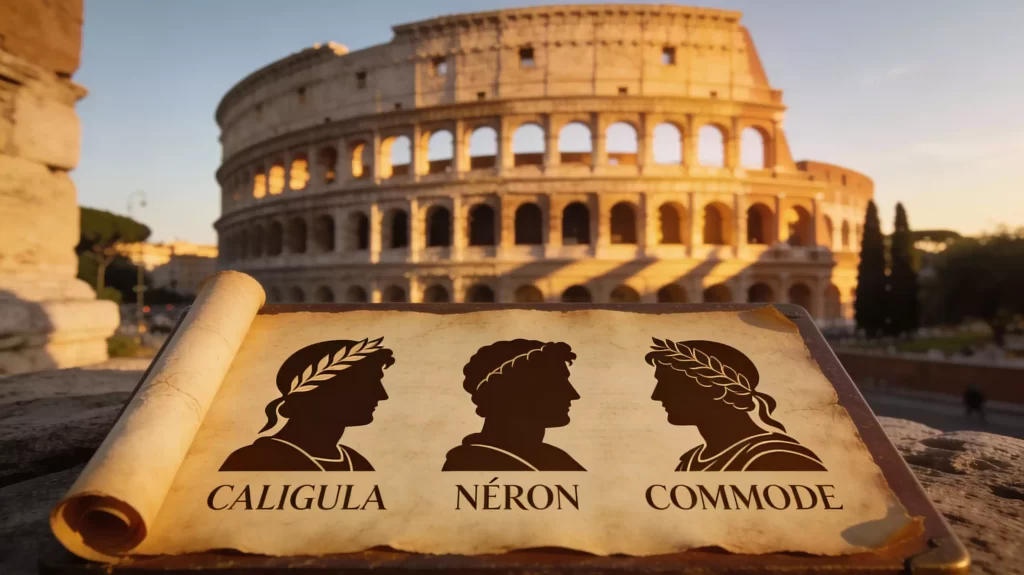
The Roman Empire’s impressive history is also colored by the shadows of some truly notorious emperors. Their reigns were marked by cruelty, misrule, and excesses that weakened the state, sometimes irreparably. Whether driven by madness, vanity, or a lust for power, these rulers left the ancient world with tales of chaos and decline. Unpacking their stories helps us grasp how individual leaders can jeopardize even the most formidable of empires.
A Legacy of Madness: The Reign of Caligula
Caligula’s Rise to Power and Initial Promises
Caligula, born Gaius Julius Caesar Augustus Germanicus, took the throne in AD 37, greeted by optimism and relief. After years under the stern Tiberius, Romans hoped that this young, charismatic leader would bring renewal. At first, Caligula enacted reforms and granted bonuses to the Praetorian Guard, restoring hope in the imperial office. However, these initial promise soon gave way to a reign remembered more for instability than innovation.
An Emperor’s Descent into Madness
Not long after his accession, Caligula’s behavior shifted dramatically. Ancient sources suggest a severe illness may have triggered his mental unraveling. Soon, paranoia and erratic decisions undermined the administration. He ordered the execution of close allies, insulted the Senate, and even declared himself a living god, expecting worship as a divine presence. Such actions shattered the respect traditionally accorded to Rome’s highest office.
The Excesses and Brutality of Caligula’s Rule
Caligula’s name became synonymous with cruelty. Disturbingly, he indulged in public spectacles of violence, arbitrary executions, and forced confessions. He is infamous for humiliating senators, bankrupting the treasury through wasteful spending, and once threatening to appoint his horse as a consul. This era’s legacy is one of unchecked power leading to isolation and, ultimately, assassination.
The Infamous Nero: Fiddling While Rome Burned
Early Life and Ascension to the Throne
Nero rose to power at just 16 years old, thanks to the machinations of his mother Agrippina and the support of key advisors. Initially, his reign promised some stability, wise counselors steered policy and curbed excess. However, as Nero grew in confidence, his temperament shifted, leaving the state open to indulgence and disaster.
Nero’s Obsession with the Arts and its Fallout
Nero fancied himself more an artist than an emperor. He poured vast sums into theatre, poetry, and chariot racing, participating personally, to the horror of Rome’s elite. While these whims entertained some, others saw them as distractions from pressing state issues. His neglect contributed to administrative disarray, making the empire vulnerable to chaos.
Political Repressions and the Great Fire of Rome
The most memorable event of Nero’s rule came in AD 64, when a devastating fire ravaged Rome. Rather than providing relief, Nero was rumored to have performed for pleasure as the city burned, leading to widespread suspicion and resentment among citizens. Seeking a scapegoat, he cruelly persecuted Christians. Political executions and forced suicides riddled his later years, accelerating the empire’s descent toward crisis.

Commodus: Gladiator Emperor and the Erosion of Rome
Commodus’s Fascination with Gladiatorial Combat
Commodus, son of the philosopher-king Marcus Aurelius, ascended to the throne in AD 180. His rule shocked Romans, as he delighted in fighting as a gladiator, staging elaborate games and exalting himself as a new Hercules. This behavior tarnished the dignity of the imperial institution, mixing entertainment with governance in a way that alarmed traditionalists.
The Decline of Imperial Authority under Commodus
Administrative neglect flourished under Commodus, as he left daily governance to corrupt favorites and pursued personal pleasure. Financial instability, internal unrest, and border threats multiplied. His erratic leadership allowed influential figures to exploit power for their own gain, accelerating the empire’s fragmentation and vulnerability.
The Conspiracy and Assassination that Ended His Reign
Years of growing paranoia led Commodus to lash out at perceived enemies, resulting in a wave of executions and betrayals within his inner circle. Ultimately, those closest to him plotted his murder, seeing it as the only escape from his capricious rule. His assassination in 192 plunged Rome into an era of civil war and instability.
Elagabalus: The Eccentric and Extravagant Emperor
Introduction to Elagabalus and His Background
Barely 14 when crowned, Elagabalus was propelled to power through his grandmother’s ambition. Coming from Syria, he introduced unconventional customs to Rome, sparking immense curiosity and suspicion. However, this inexperience and cultural distance set the stage for a controversial reign.
Controversial Policies and Religious Changes
Elagabalus scandalized Rome with his appointment of Eastern priests and promotion of the sun god Elagabal over Jupiter, provoking fury among both senators and common citizens. His personal life, marked by extravagant banquets and flagrant disregard for tradition, heightened the sense of instability in the capital.
The Revolt Against Elagabalus and His Downfall
Inevitably, Elagabalus’s disregard for tradition and alienation of the Praetorian Guard led to revolt. Betrayed by his closest protectors, he was assassinated after only four years, his body unceremoniously discarded in the Tiber. His rule exemplified how extreme eccentricity could undermine the very foundations of Roman power.
Understanding the Impact of Tyranny on Rome
Periods under emperors like Caligula, Nero, Commodus, and Elagabalus reveal how tyranny, extravagance, and incompetence can rapidly erode even a robust society. Their legacies warn us that unchecked rule, combined with personal vices, leads inevitably to public distrust and systemic fragility.
Answering Key Questions about Rome’s Worst Emperors
Who was the most psychotic Roman emperor?
Historically, Caligula is often cited as the most psychotic Roman emperor. Descriptions of his increasingly bizarre and violent behavior, including claiming divinity and acting with lethal caprice, suggest a pattern of mental instability. However, ancient sources may have amplified his madness to vilify him further.
Which emperor killed the most during their rule?
Nero is infamous for orchestrating widespread executions, particularly of political rivals and suspected conspirators. His harsh repression after the Great Fire of Rome saw large numbers of Christians and elites put to death, contributing to his brutal reputation.
What tactics did these emperors use to maintain power?
These rulers often relied on fear, lavish spending, and ruthless elimination of rivals to secure their grip on power. For example, they staged potent spectacles, distributed money to soldiers, and enforced loyalty through intimidation, sacrificing sound governance for survival.
How did these emperors affect the stability of the Empire?
Such reigns undermined foundations of trust, financial prudence, and military discipline. Their mismanagement accelerated internal division and made Rome more vulnerable to external threats, ultimately weakening the entire structure of the empire over time.
ClassicWorldCoins was created by a passionate collector with a deep interest in ancient coins and their stories. Through this blog, he shares his discoveries, insights, and favorite pieces to help others explore the fascinating world of numismatics.