
Exploring the pantheon of roman deities
Oct
For centuries, the deities of ancient Rome shaped society, law, and moral order. Gods and goddesses weren’t just symbols but guiding presences, actively involved in everything from political life to the daily routines of ordinary people. Through grand festivals and private rituals, Romans celebrated a vibrant pantheon that reveals the creative and practical spirit of a culture. Today, understanding these Roman deities means exploring not just names and stories, but the ancient beliefs that continue to echo in art, literature, and our fascination with myth.
An Overview of Major Roman Deities
The Twelve Dii Consentes: Who Were They?
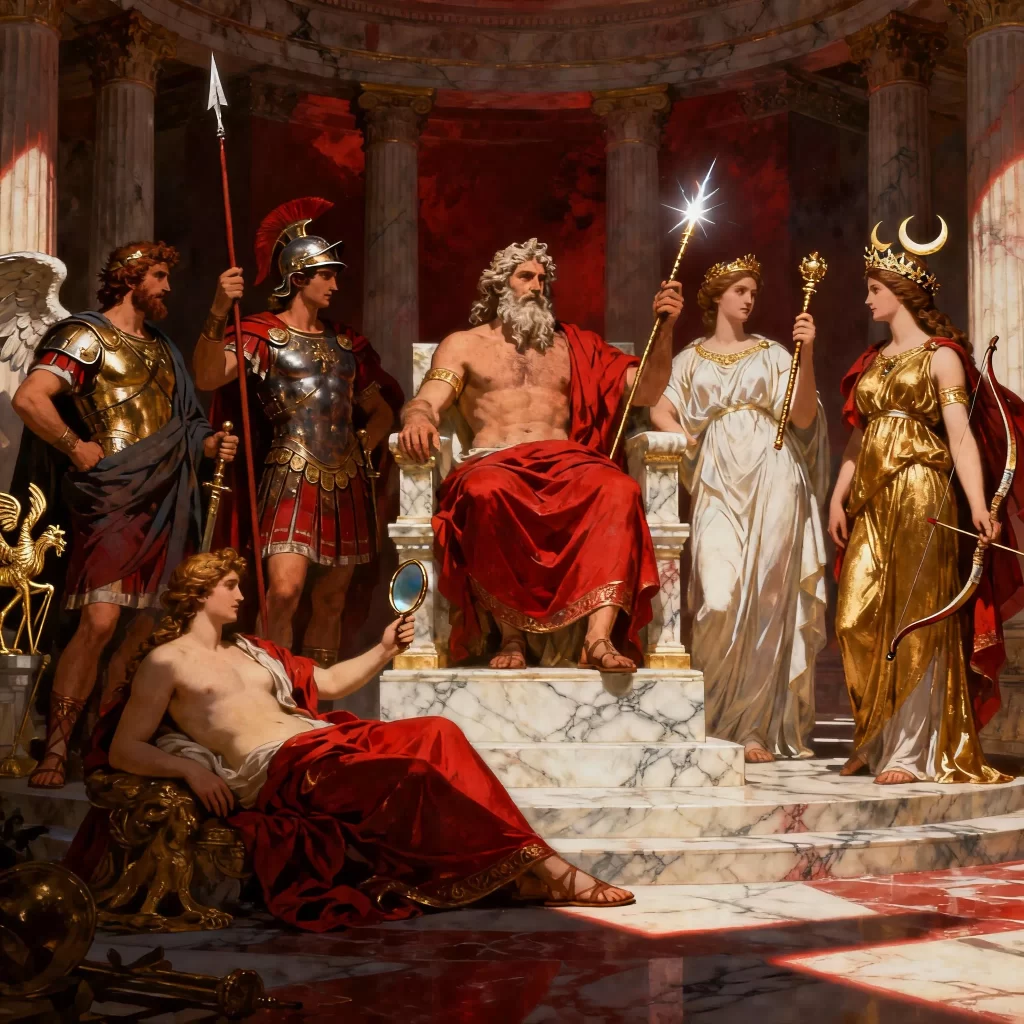
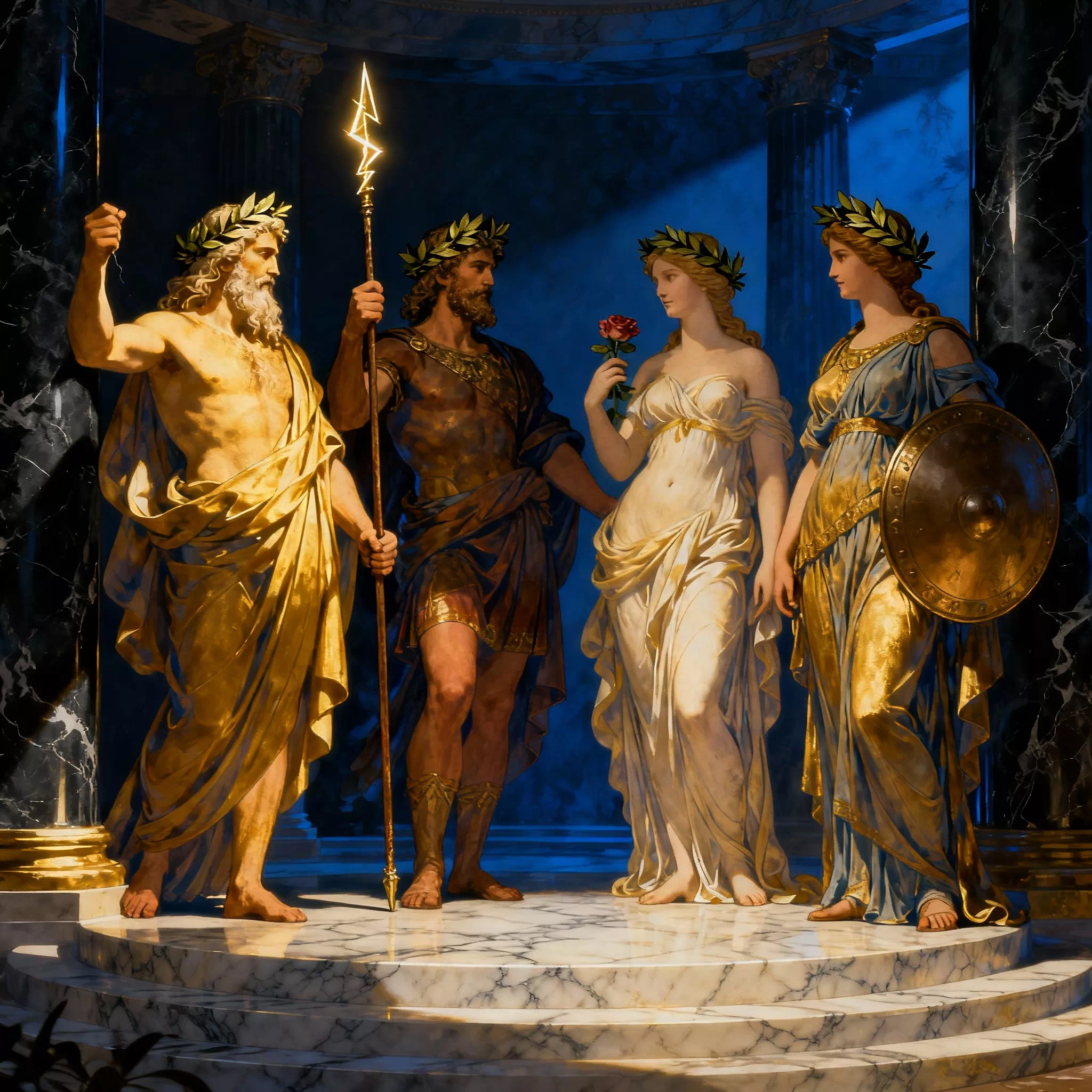
At the heart of the Roman pantheon stand the Twelve Dii Consentes, the most influential and revered gods. These divine figures ruled over various aspects of nature and society, granting their favor, or wrath, depending on human conduct. Jupiter, the king of the gods, commanded thunder and fate. His brother Neptune governed the seas, while Pluto presided over the underworld. Juno protected marriage, and Minerva was the goddess of wisdom. Venus embodied love, Mars was the fierce god of war, and Apollo brought light, music, and prophecy. Completing the circle, Diana watched over the hunt, Vesta kept the hearth, Mercury sped messages between worlds, and Ceres offered the blessings of agriculture.
Key Attributes and Domains of Roman Gods
Each of the Dii Consentes possessed distinct symbols and responsibilities that revealed their personalities and cults. For example, Jupiter’s lightning bolt signified supreme authority, Mars’s spear represented martial prowess, and Minerva’s owl pointed to strategic intelligence. These attributes allowed the Romans to connect with their gods in concrete ways, offering the right sacrifices or building temples aligned with specific needs, from successful harvests to triumphs in battle.
Comparison of Roman Deities and Their Greek Counterparts
Roman mythology drew inspiration from Greek tradition, resulting in many parallels. Jupiter corresponds to Zeus, Venus to Aphrodite, and Neptune to Poseidon, but the Romans added their own flavor. Where Greek deities often embodied abstract ideals, Roman gods were more pragmatic, anchored in the needs of civic life. This dual influence created a rich tapestry, blending mythology with the realities of governing a vast and diverse empire.
Lesser-known Roman Deities and Their Importance
Unique Roles of Lesser-known Gods and Goddesses
Beyond the major Dii Consentes, dozens of lesser-known deities watched over every facet of life. Janus, with two faces, presided over beginnings and endings. Flora ensured blooming gardens, while Fortuna influenced luck and fate. Household gods, Lares and Penates, brought protection to families and communities, reflecting a personal dimension to Roman spirituality that sometimes rivaled the power of Jupiter himself.
The Influence of Roman Deities on Daily Life
In concrete terms, Romans integrated divine presence into their homes, markets, and journeys. Travelers prayed to Mercury for safe passage, farmers appealed to Ceres, and new ventures commenced with offerings to Janus. This everyday spirituality fostered respect for tradition and cemented the gods’ authority in both public and private spheres.
Festivals Celebrated in Honor of Roman Deities
Grand religious festivals punctuated the Roman calendar, blending sacred ritual with community celebration. Events like Saturnalia, Lupercalia, and the Vestalia united citizens around shared beliefs and joyous excess. Offerings, games, and symbolic acts honored the gods, reinforcing communal ties and reminding everyone of their place in a universe shaped by divine favor.
The Significance of Roman Deities in Mythology
Myths and Legends Featuring Prominent Roman Gods
The tales that animated the Roman world highlight deities intervening in heroic quests, epic wars, and founding myths. For instance, the story of Romulus and Remus, raised by a she-wolf sent by Mars, underscores the intertwining of myth, history, and national identity.
The Cultural Impact of Roman Deities on Literature and Art
From Virgil’s Aeneid to masterpieces adorning temples and mosaics, Roman deities inspired creativity and intellectual achievement. Depictions of Venus or Mars were not only religious but also cultural statements, forging connections across generations and regions.
Worship Practices and Rituals Associated with Deities
Rituals formed the cornerstone of Roman worship, ranging from elaborate processions to quiet family ceremonies. Specific rites, carefully observed, maintained harmony between humans and gods.
Understanding Roman Deities in Context
The Evolution of Roman Religion and Its Deities
Romans were flexible in adapting and absorbing gods from other cultures. With each conquest, new deities and practices enriched the mythological landscape, leading to a constantly evolving religious environment that reflected Rome’s ambitions and openness.
How Political Power Influenced the Worship of Gods
As emperors consolidated power, they manipulated religion to reinforce their authority. Deification of emperors, the establishment of imperial cults, and state-sponsored rituals shaped the cult of the gods. Political motives thus became inseparably bound to spiritual life.
The Decline of Traditional Worship and Its Legacy
With the spread of Christianity, old religious practices gradually lost favor. However, the legacy of Roman deities persisted in art, language, and even in the names of planets. The memory of these gods provides enduring insight into the values and imagination of a remarkable civilization.
Discovering the Essences of Roman Deities
To study the Roman pantheon is to enter a vibrant world where myth, tradition, and daily need came together in a living cultural heritage. From grand temples to household shrines, Roman deities continue to fascinate, inviting us to reflect on the role of belief in shaping history.
Frequently Asked Questions about Roman Deities
What are the 12 main Roman gods called?
The 12 main Roman gods, known as the “Dii Consentes” (the Roman equivalent of the Twelve Olympians), include Jupiter, Juno, Neptune, Minerva, Mars, Venus, Apollo, Diana, Vesta, Mercury, Ceres, and Vulcan. These deities formed the core of Roman state religion and each oversaw a key aspect of society and nature.
Who is the famous Roman deity?
Jupiter is considered the most famous and important Roman deity. As king of the gods and ruler of the sky, he held supreme authority among the Dii Consentes. His Greek counterpart is Zeus, and many ancient myths and state rituals centered on his power and favor.
Who is the 13th Roman god?
The idea of a “13th god” generally refers to Vesta or Hestia in Greek, who sometimes alternated with other deities in the Twelve. Janus, the god of doors, gates, and beginnings, is also sometimes called the “13th” due to his unique status and the importance of his cult at the start of events and the calendar year.
What role did festivals play in the worship of Roman deities?
Festivals were central to honoring Roman gods, marking seasonal cycles and uniting communities in celebration. Through public games, sacrifices, and rituals, these events reinforced social order and fostered collective identity, ensuring that the favor of the gods was public and visible.
How did the Romans interpret the influence of their gods on personal life?
Romans believed that the gods actively shaped personal destiny and fortune. Success, health, and even minor household events were attributed to the favor or displeasure of divine forces. This belief drove individuals to seek guidance and help through rituals, prayer, and household altars.

ClassicWorldCoins was created by a passionate collector with a deep interest in ancient coins and their stories. Through this blog, he shares his discoveries, insights, and favorite pieces to help others explore the fascinating world of numismatics.