
Pax romana: rome’s era of unprecedented peace and prosperity
Dec
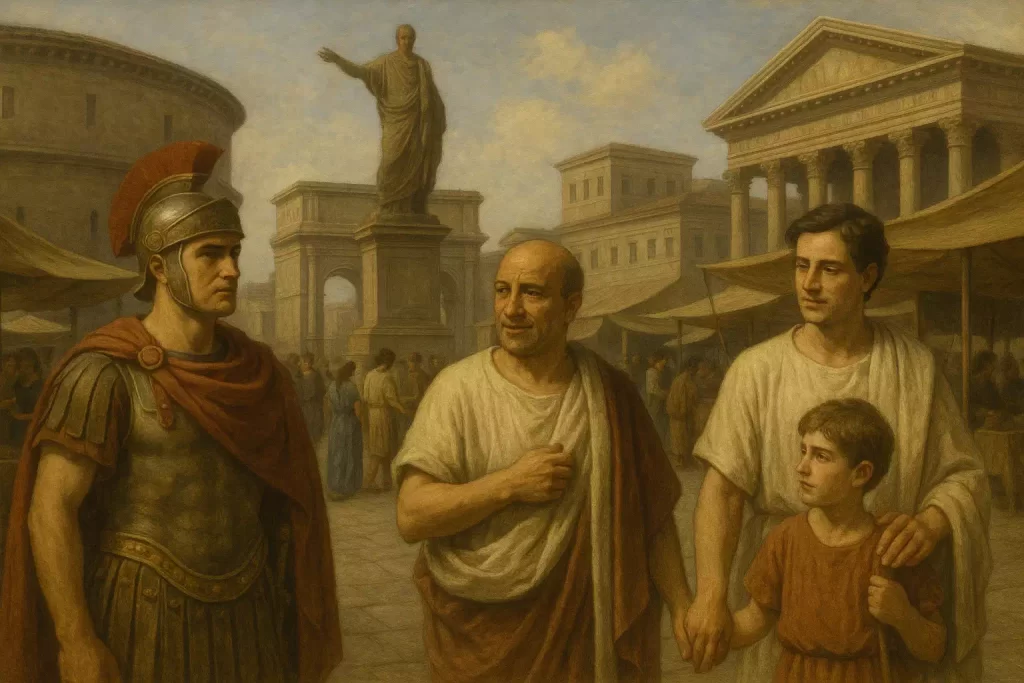
The Pax Romana represents a rare era in history when the mighty Roman Empire experienced decades of peace, economic growth, and vibrant culture. Beginning in the first century BCE, this “Roman Peace” reshaped Europe and the Mediterranean through stability, investment, and flourishing arts, transforming everyday life for Romans from Spain to Syria. Understanding the Pax Romana is crucial for appreciating how Rome became a global superpower and why its values continue to influence societies even today.
Understanding Pax Romana
What Is the Definition of Pax Romana?
The term Pax Romana refers to the ‘Roman Peace’, a historic period characterized by unprecedented security and order throughout the empire. For over two centuries, most Roman provinces enjoyed a respite from large-scale wars and internal strife, which allowed population growth, economic activities, and cultural progress to flourish broadly. Rather than mere absence of war, the Pax Romana signified a profound sense of stability that touched every level of society.
Historical Context: When Did the Pax Romana Occur?
The Pax Romana is traditionally dated from 27 BCE, when Augustus became the first Roman emperor, to around 180 CE, marked by Marcus Aurelius’ death. This period spanned more than 200 years, crossing the reigns of influential leaders who shaped the expansion and governance of the vast Roman territory. During these centuries, the empire reached its maximum territorial extent, enveloping the Mediterranean basin and far beyond.
Who Established the Pax Romana?
Augustus, known earlier as Octavian, is credited with establishing the Pax Romana. By consolidating power after years of civil war, Augustus skillfully combined political authority and military reform, securing lasting peace inside the borders. His successors, notably the so-called “Five Good Emperors”, continued this tradition, ensuring that the empire prospered under their watchful governance.
Key Features of the Pax Romana
The Emperors of Peace: Augustus and His Successors
Augustus set the standard, but it was a succession of wise emperors, such as Trajan, Hadrian, and Marcus Aurelius, who helped maintain the era’s tranquil climate and prosperity. Their reigns introduced systems that balanced imperial authority with local autonomy, allowing Rome to adapt to challenges without sacrificing its ideals.
Cultural Flourishing: Art, Literature, and Society
This unprecedented stability nourished a blossoming of Roman art, literature, and architecture. Monumental buildings like the Colosseum and Pantheon rose in the heart of cities. Writers such as Virgil and Ovid composed literary works that remain famous today, while sculpture and painting celebrated Roman achievements and daily life across the provinces.
The Political Framework Behind the Pax Romana
Governance and Administration During Pax Romana
The Roman government organized itself with new efficiency during this era. Central authority worked in tandem with local elites to oversee justice, taxation, and urban development. Provinces were managed by governors loyal to the emperor but sensitive to local customs, ensuring a delicate balance between unity and diversity across the empire.
Military Strength and the Protection of Peace
A powerful, disciplined army was vital to sustaining the Pax Romana. Legions protected borders, suppressed rebellions, and guaranteed peace for citizens and traders. While the sword was rarely drawn within Rome’s provinces, its presence deterred would-be invaders and gave confidence to communities under imperial rule.
Social Stability and the Role of Citizens
The social framework supported stability by integrating local cultures and offering privileges to loyal citizens. Many provincials obtained Roman citizenship, gaining rights and protections that knit them more closely to imperial identity. Communal festivals, games, and public works helped foster a sense of shared destiny for diverse peoples from Britannia to Egypt.
The Decline of Pax Romana: Causes and Consequences
Signs of Instability: Rebellions and Internal Conflict
Despite its achievements, the Pax Romana’s final decades saw growing unrest beneath the surface. Rebellions flared in Judea and Britain, weakening the empire’s unity. Corruption, political intrigue, and questions about imperial succession began to erode the institutions that once held Rome together.
External Pressures: Invasions and Territorial Challenges
Barbarian invasions increased as neighboring tribes grew stronger. Rome’s borders became harder to defend, demanding more resources and stretching the army thin. The population faced new dangers as external threats persisted and trade routes became less reliable.
The End of an Era: How Did Pax Romana Conclude?
The death of Marcus Aurelius in 180 CE is often seen as the symbolic end of the Pax Romana. Next, the empire entered a period of persistent crisis and division, with leadership struggles and shifting borders. The lessons of the Pax Romana, however, continued to inspire calls for order and unity long after its sunset.
The Enduring Legacy of Pax Romana: Lessons for Today
Even now, historians and leaders reflect on the Pax Romana as a shining example of how good governance and shared values can stabilize and enrich societies. Its roads, laws, and monuments endure, reminding us that peace is not merely the absence of war, but the result of vision, adaptability, and respect for diversity. The era’s achievements continue to shape ideas about citizenship, infrastructure, and cultural exchange in Europe and beyond.
Frequently Asked Questions About Pax Romana
Did Julius Caesar Create the Pax Romana?
Julius Caesar played a crucial role in ending the Roman Republic’s civil wars, yet he did not create the Pax Romana itself. The establishment of this peaceful period came under Augustus, his adopted heir, who transformed Rome from a republic into a stable imperial state.
What Was Life Like for Ordinary Citizens During the Pax Romana?
During the Pax Romana, ordinary citizens benefited from increased safety, cleaner cities, and reliable food supplies. Public entertainment, accessible baths, and improved infrastructure transformed urban life, while farmers and traders enjoyed greater access to markets.
How Did Augustus Secure Peace in the Empire?
Augustus secured peace by reforming the army, centralizing authority, and promoting economic stability. Through fair governance and visionary leadership, he bridged old traditions with new realities, earning trust among a diverse population.
Was the Pax Romana Truly a Time of Peace?
The Pax Romana was generally very peaceful compared to earlier eras, but it wasn’t entirely free from conflict. Sporadic uprisings and frontier skirmishes did occur, though the empire maintained overall stability and prosperity for most inhabitants.
What Is the Pax Romana for Kids?
For kids, the Pax Romana is a long period when the Roman Empire was strong and peaceful. People could travel and trade safely, and new buildings, roads, and cities were built, making daily life safer and more exciting for everyone.
ClassicWorldCoins was created by a passionate collector with a deep interest in ancient coins and their stories. Through this blog, he shares his discoveries, insights, and favorite pieces to help others explore the fascinating world of numismatics.