
Understanding diocletian’s reforms and their impact on the roman empire
Dec
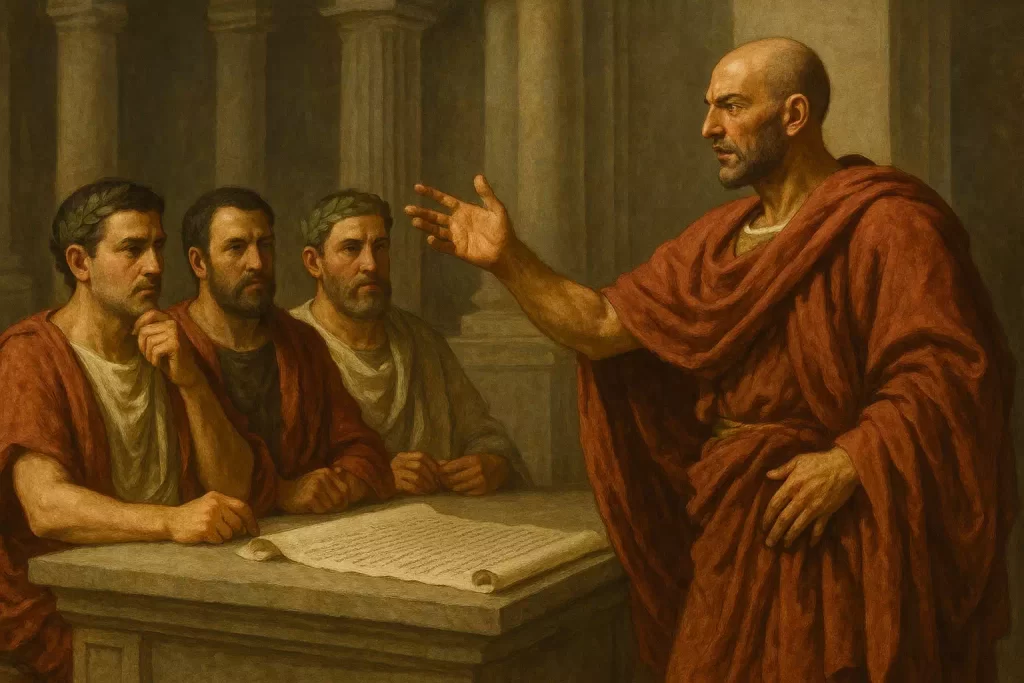
When Diocletian became emperor, Rome was teetering on the edge of crisis: infighting, invasions, and economic troubles threatened the core of the empire. With strategic precision and a bold vision, he introduced a comprehensive set of reforms that transformed the structures of governance, economy, and defense. These measures did not only halt the decline of Rome for a generation, but also shaped the path of Western civilization for centuries, making Diocletian a singular figure in history.
Political Reforms and the Tetrarchy
Formation of the Tetrarchy
Recognizing that a single ruler could no longer oversee the sprawling Roman Empire effectively, Diocletian devised the system known as the tetrarchy, or “rule of four”. He appointed Maximian as co-emperor and added two junior colleagues, forming a leadership of two Augusti and two Caesars. This model fostered stability by distributing power and aiming for smoother transitions of authority, particularly crucial during periods rife with civil conflict and external threats.
Redistribution of Power and Authority
Through the tetrarchy, Diocletian reorganized the political structure to reduce problems of succession and unchecked ambition. Each ruler governed a defined region, this division reduced internal rivalries and encouraged a sense of shared responsibility. While critics argue that the tetrarchy created new tensions, it effectively curbed the frequent usurpations that plagued the later third century.
Centralization of Administration
Furthering his intent, Diocletian strengthened imperial control by centralizing administrative functions. He expanded the imperial bureaucracy, appointed loyal officials, and standardised governance practices across different provinces. This shift made the administration more uniform, improving tax collection and legal enforcement, although the system became increasingly complex.
Economic Measures and Their Effects
The Edict on Maximum Prices
As inflation spiraled and purchasing power plummeted, Diocletian issued the famous Edict on Maximum Prices in 301 CE. This ambitious law sought to curb price gouging by setting strict maximum prices for goods and services across the land. Though ultimately difficult to enforce, the edict signals the regime’s commitment to managing the rampant economic instability that threatened everyday life.
Taxation Reforms and Economic Control
To stabilize revenues, Diocletian reformed taxation, reassessing land and population to create a more equitable and regular tax base. The introduction of new tax methods and stricter collection reduced fraud and made budgeting more predictable. For merchants and farmers alike, the transition was disruptive but necessary amid fiscal chaos.
Mitigating Inflation and Economic Decline
Alongside price controls and tax reform, Diocletian restructured Rome’s currency to strengthen its value. Enhanced state control over the economy helped curb excessive military spending and speculation, stabilizing prices for ordinary citizens. While these measures could not eliminate all economic woes, they slowed the empire’s ongoing financial decline and forestalled collapse.
Military Reorganization and Defense Strategies
Reforming the Roman Army Structure
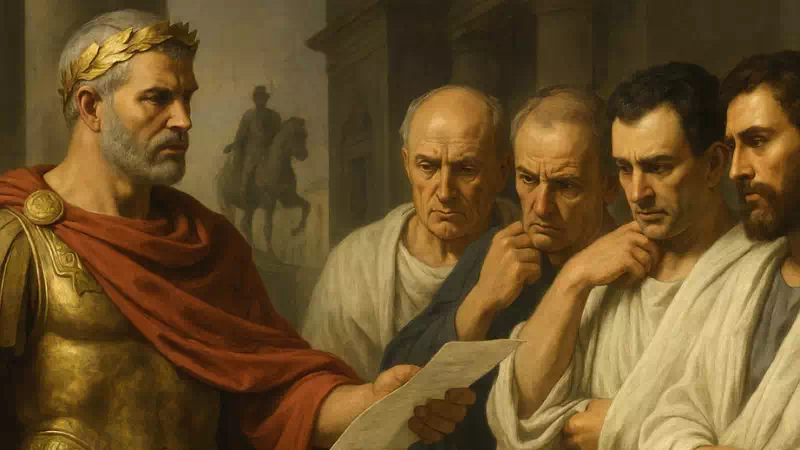
Faced with mounting dangers on every border, Diocletian implemented the largest reorganization of Rome’s army in centuries. He increased the number of permanent soldiers and created new mobile field units to respond quickly to threats. This innovation improved flexibility, reduced local garrison corruption, and allowed Rome to defend itself more effectively.
Addressing External Threats and Frontier Security
Diocletian strengthened frontier defenses by dividing military commands and building fortified lines, especially along the Danube and eastern regions. Strategically, this helped prevent sudden large-scale invasions and ensured that any breaches could be contained more easily. These changes marked a shift from expansion to consolidation, reflecting the realities of a pressured empire.
Impact of Military Changes on Governance
The new military systems placed the armed forces under tighter state supervision, reducing the autonomy of potentially rebellious generals. This enhanced imperial authority but also demanded a high financial and administrative cost, intertwining military and civilian governance to a greater degree than ever before.
Legacy of Diocletian’s Reforms and Their Long-term Effects
Diocletian’s reforms not only stabilized the empire during his lifetime, but laid the foundation for the development of the late Roman and eventual Byzantine state. Though some measures, such as the price edict, were short-lived, others, like the administrative divisions and enhanced military structure, shaped how the East and West would govern for generations. These transformations influenced emperors who came after, forever changing leadership models and the interaction between civil and military powers.
Frequently Asked Questions about Diocletian’s Reforms
Why were Diocletian’s reforms successful?
The success of Diocletian’s reforms rested on their depth and scope: he tackled multiple sources of instability at once, combining political, military, and economic measures. While not every reform endured, together they provided short-term stability and allowed the empire to recover from prolonged crisis.
What was the most important reform implemented by Diocletian?
Many historians highlight the formation of the tetrarchy as the most significant of Diocletian’s reforms. This system brought order to imperial succession and regional governance, directly addressing the power struggles that had weakened Rome for decades.
Why did Diocletian’s reforms fail?
While many of his reforms were innovative, some faltered due to the magnitude of Rome’s problems. The price edict, for example, faced strong resistance and proved impossible to enforce. After Diocletian’s abdication, the tetrarchy collapsed into civil war, revealing the reforms’ dependence on strong leadership.
How did Diocletian’s reforms impact the Roman economy?
His economic measures slowed inflation, stabilized the currency, and improved state revenues. However, increased taxes and rigid controls also contributed to social tensions. In the long run, his policies delayed, but could not completely prevent, the empire’s economic decline.
What role did Christianity play in Diocletian’s reforms?
Diocletian is well known for launching the last great persecution of Christians in Rome, viewing the faith as a threat to social unity. However, his reforms focused primarily on administration and stability, and it was only during his later years that religious policy became aggressively repressive.

ClassicWorldCoins was created by a passionate collector with a deep interest in ancient coins and their stories. Through this blog, he shares his discoveries, insights, and favorite pieces to help others explore the fascinating world of numismatics.