
Discovering the bust of antoninus pius: a roman legacy
Sep
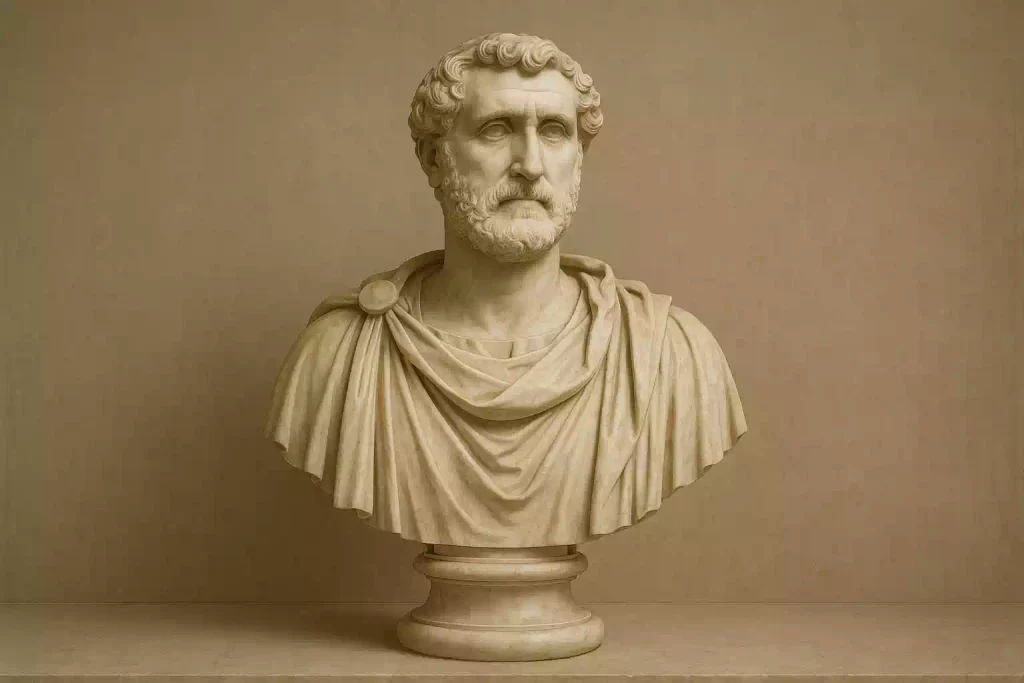
The busts of Antoninus Pius capture the serene countenance and philosophical gravitas of one of Rome’s most respected emperors. These marble portraits, preserved in museums and collections worldwide, offer more than just a glimpse of imperial power, they reflect a refined artistic style and a period of political stability in the Roman Empire. Whether studied for their iconography or admired for their craftsmanship, these busts remain central to understanding both Roman portraiture and the enduring image of Antoninus Pius.
The artistic representation of Antoninus Pius
Characteristics of Antoninus Pius’ busts
Antoninus Pius’ busts are easily recognized by their calm features, gentle expression, and distinctive curly hair and beard. These portraits often depict him with a composed gaze, embodying the Roman ideals of wisdom and restraint. Sculptors paid close attention to lifelike details, especially in the texture of the hair and the nuanced folds of the toga. Such precision mirrors the emperor’s reputation for fairness and moderation, qualities held in high esteem during his reign.
Iconography and symbolism in Roman portraiture
Roman busts were charged with symbolic meaning, serving as both art and powerful expressions of authority. In Antoninus Pius’ case, his image was crafted to communicate not only his leadership, but also Rome’s values of stability and virtue. The style, pose, and elegant attire often highlight aspects like civic duty and imperial piety. By analyzing these choices, art historians uncover how Romans used portraiture to shape political and cultural narratives.
Material and techniques used in crafting busts
The majority of Antoninus Pius busts were sculpted in fine-grained marble, a material prized for its durability and luminosity. Artisans utilized advanced carving techniques, starting with rough-hewn forms and gradually refining intricate details. Occasionally, traces of pigment suggest that some busts were originally painted, adding vibrancy to their realism. Through these methods, Roman sculptors achieved a unique balance between idealization and lifelike depiction.
Historical significance of Antoninus Pius
Overview of Antoninus Pius’ reign and achievements
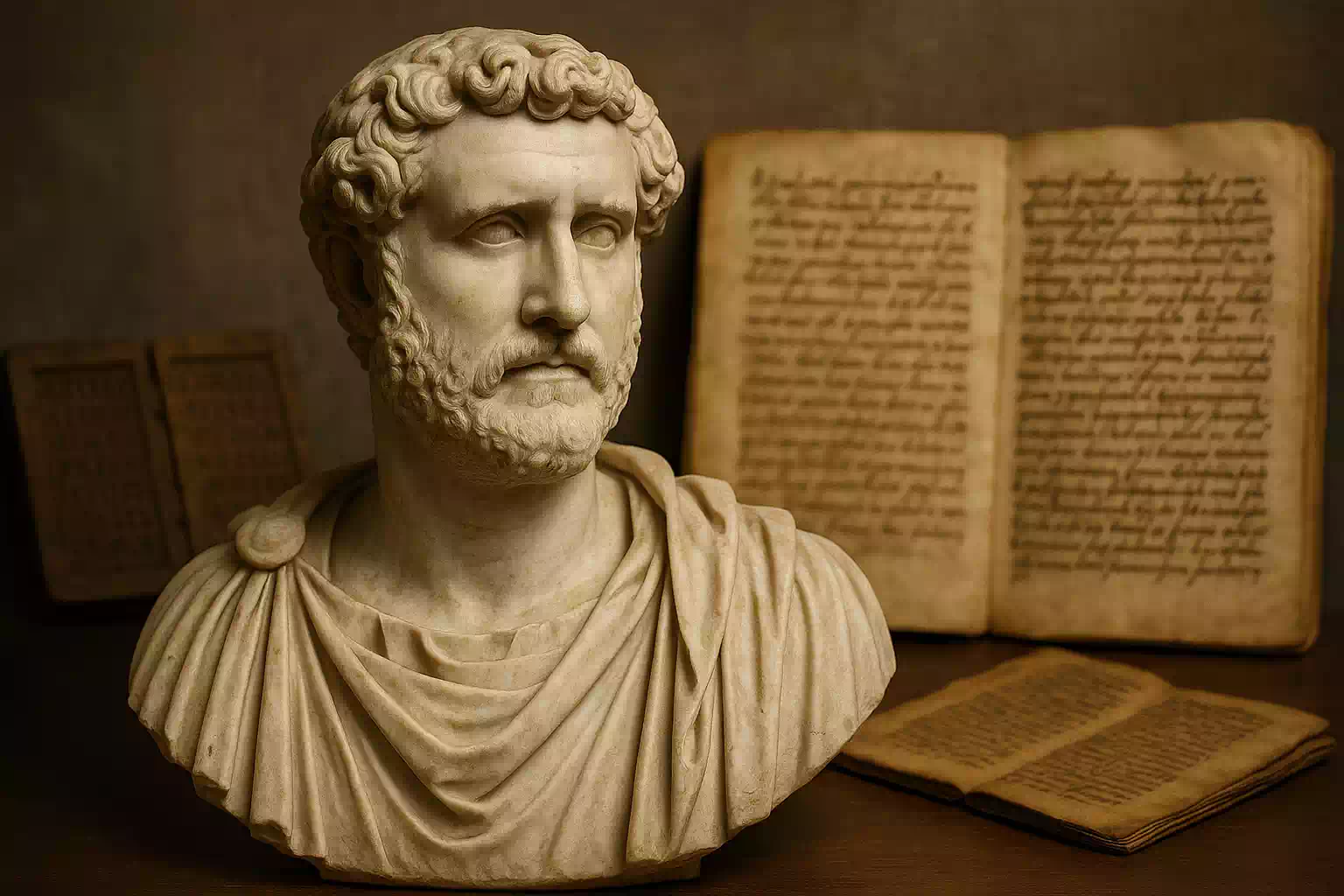
Antoninus Pius ruled from 138 to 161 AD, overseeing an era marked by unparalleled peace and prosperity within the Empire. He prioritized legal reforms, public welfare, and economic growth, reinforcing Rome’s internal stability. His respectful governance earned him admiration from both the Senate and the populace, solidifying his reputation among the ‘Five Good Emperors’ and shaping the way he is remembered through art.
The influence of political stability on art
The relative calm during Antoninus Pius’ reign provided the ideal context for artistic innovation. Patricians and officials commissioned finely crafted busts to display their loyalty and honor the emperor. With less emphasis on military exploits and more focus on administrative virtues, the art of this period emphasized civic identity and intellectual pursuits, themes evident in the dignified expressions and serene presence of busts from this era.
The legacy of Antoninus Pius and his place in Roman history
In historical reflection, Antoninus Pius stands out as a model of enlightened leadership and dignified authority. His busts continue to influence modern depictions of Roman rulers, embodying ideals of moderation and justice. From major museums to private collections and even a coin store focused on antiquities, his portraiture remains a vital gateway to understanding imperial Rome’s values and aesthetics.
Locations and collections of Antoninus Pius busts
Major museums housing Antoninus Pius busts
The most significant Antoninus Pius busts can be admired in renowned institutions such as the Vatican Museums in Rome, the Louvre in Paris, and the British Museum in London. These masterpieces serve as cornerstones of classical art collections, drawing scholars and enthusiasts alike to study their exquisite detail. Their presence in public museums ensures that a global audience can appreciate the emperor’s enduring legacy firsthand.
Notable private collections and their significance
Beyond major museums, several privately held busts of Antoninus Pius occupy a place of honor in elite collections. These pieces, often acquired through inheritance or auction, represent not only artistic achievement but also the art market’s enduring fascination with ancient Rome. Their provenance can illuminate broader social and economic trends, offering unique insight unavailable from public displays.
Digital collections and online resources for viewing busts
Technological advances have revolutionized access to Roman art, making high-quality images and 3D scans of Antoninus Pius busts available online. Platforms like museum digital archives or open-access art history websites enable students, collectors, and the curious to explore these sculptures in remarkable detail. Furthermore, such resources promote inclusivity, allowing those unable to travel to major museums to study and appreciate these cultural treasures.
Understanding the busts of Antoninus Pius in art and culture
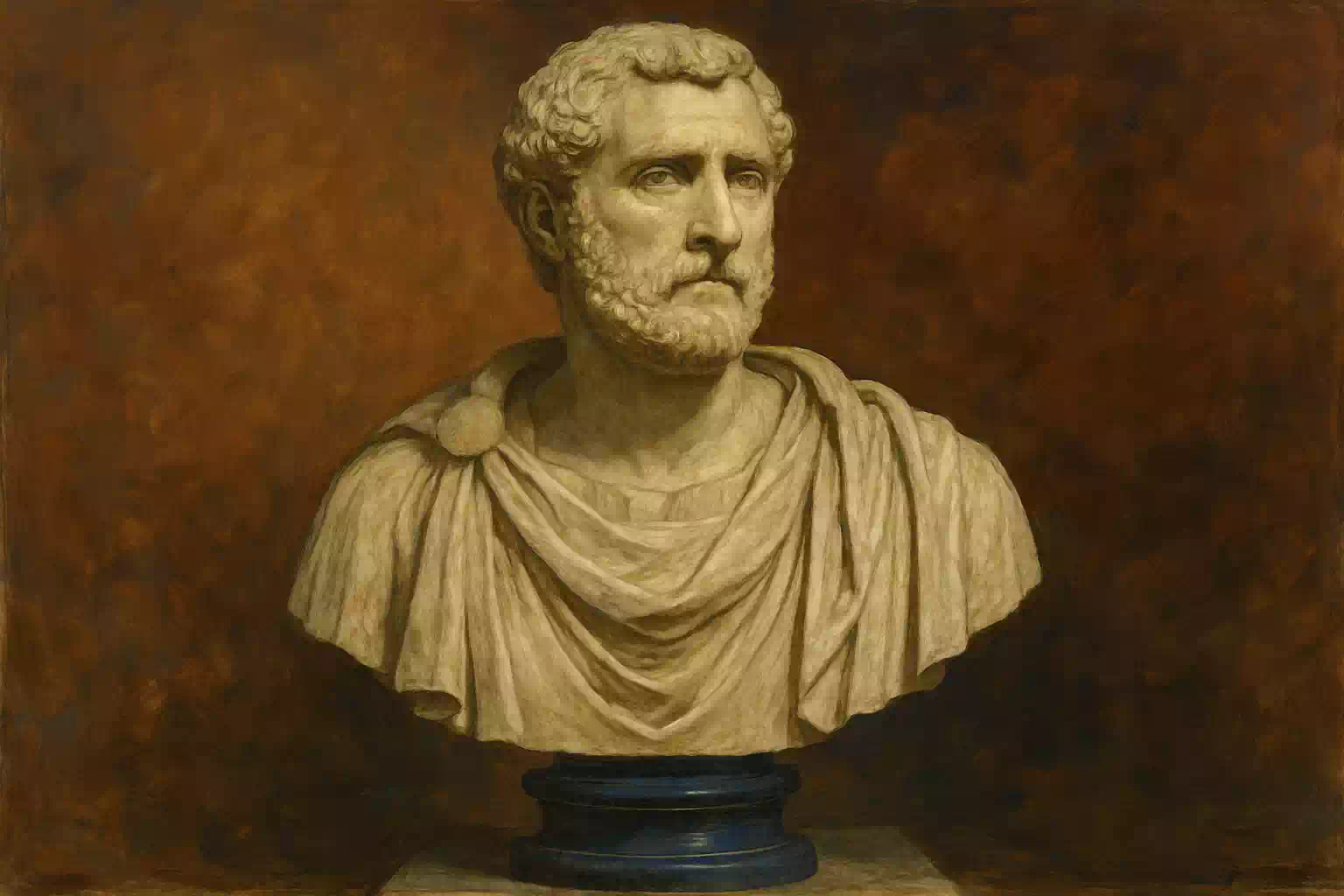
Examining the busts of Antoninus Pius is more than an aesthetic experience, it offers a window into Roman ideals, leadership, and the role of portraiture in shaping collective memory. The subtle interplay of style and symbolism found in each sculpture reveals how Romans chose to remember their most principled rulers, inviting us to reflect on the timeless dialogue between art, history, and society.
Frequently Asked Questions about Antoninus Pius Busts
What were the last words of Antoninus Pius?
According to the Historia Augusta, his last words were reported as aequanimitas (“equanimity”), though ancient sources are not unanimous. The expression reflects his composed character even in his final moments and has come to symbolize his philosophy of balance and justice, a fitting legacy for a ruler who valued fairness and calm leadership, echoed in his serene sculpted likenesses.
Was Antoninus Pius good or bad?
Historians widely regard Antoninus Pius as a “good” emperor, thanks to his just rule, integrity, and deep commitment to the well-being of his subjects. He avoided conflict and governed with fairness, earning admiration from contemporaries and future generations alike, further establishing the positive aura found in his busts.
How did Antoninus Pius influence Roman art?
The artistic style of Antoninus Pius’ era emphasized realism fused with idealized virtues. By promoting a dignified and cultured image, he encouraged the creation of portrait busts that prioritized both lifelike detail and symbolic values, reinforcing traditions of Roman portraiture that emphasized realism and imperial virtue.
References :
https://www.livius.org/articles/person/antoninus-pius
https://www.britishmuseum.org/collection/object/G_1861-1127-14
https://www.britannica.com/topic/Five-Good-Emperors
https://www.museodelprado.es/en/the-collection/art-work/antoninus-pius/9b6ba455-7075-4d00-9744-55101b71a625

ClassicWorldCoins was created by a passionate collector with a deep interest in ancient coins and their stories. Through this blog, he shares his discoveries, insights, and favorite pieces to help others explore the fascinating world of numismatics.